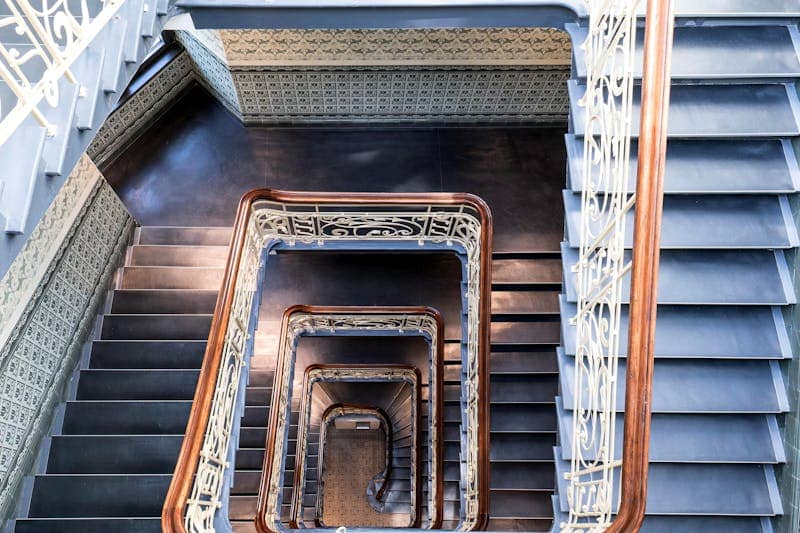
In any residential or office building, the entrance and communal areas are the first thing we see and what leaves an impression. They are like a calling card — a clean, tidy entrance shows care for residents and visitors, while a dirty one can put people off and even cause health problems.
Cleaning communal areas is an investment in comfort and health. According to hygiene research, regular cleaning reduces the spread of bacteria and allergens, particularly in high-traffic areas. This is especially relevant in Bulgarian cities, where seasonal changes — from summer dust to winter mud — require adjustments to the cleaning schedule.
As part of our cleaning company's blog, we share this knowledge to inspire you to invest in professional services. There is no universal schedule — cleaning frequency depends on several key factors.
Factors affecting how often communal areas need cleaning
First, it is important to clarify that consistency matters most. A lack of consistency leads to dirt accumulating. Regular cleaning, even if imperfect, is better than a good clean only once a month.
One of the main factors determining cleaning frequency is foot traffic through the entrance. In residential blocks with many flats, where dozens of people pass through daily, dust, mud and rubbish build up very quickly. This calls for more frequent cleaning to avoid problems such as slippery or sticky floors and unpleasant smells. In such cases, cleaning at least twice a week is advisable.
Another important consideration is the season and climate. In winter, when streets are wet and muddy, snow, salt and mud make communal areas dirty more quickly. This can cause corrosion of floors or doors and a build-up of moisture from evaporating water, which in itself encourages mould and mildew. Cleaning frequency should therefore increase during colder months, and the temperature should be kept reasonably close to that outdoors. This could mean opening selected stairwell windows strategically.
Besides the number of residents, pets also matter. Dogs and cats often bring in hair and mud from outside. Hair builds up quickly because our four-legged friends often go out several times a day.
Last but not least, the type of building plays a role. In office buildings or commercial premises, entrances face greater pressure from visitors whose shoes carry street debris. Professional cleaning is essential here, as it includes specialist disinfection products.
Recommended cleaning frequency for different types of communal entrance
For the communal areas of small residential blocks with low foot traffic, the recommended cleaning frequency is once a week. This includes sweeping, washing floors and cleaning switches and handrails. It maintains a pleasant atmosphere without unnecessary effort. However, if pets frequently come and go, an additional clean during the week may be needed.
In larger flat complexes, communal areas should be cleaned more often — at least twice a week. Here, the focus is on stairways and lifts, which are high-traffic areas.
For office or commercial entrances, the ideal frequency is daily. Customers and employees expect an immaculate environment that reflects the business's professionalism. In such cases, professional cleaning includes disinfection with antibacterial products, particularly following pandemic periods.
A brief, structured overview would look like this:
- Small blocks of up to 5 storeys with no more than 2 flats per floor — once a week.
- Blocks over 5 storeys, but no more than 8, with 2 or more flats per floor — twice a week.
- Blocks that are over 8 storeys — at least 3 times a week.
Benefits of regular communal area cleaning
Regular cleaning forms a barrier against the spread of bacteria and allergens. Accumulated dust contains microparticles that affect the respiratory tract, particularly in children and people with allergies. In communal areas with accumulated dust, the risk of respiratory problems rises, especially for children and older people.
Besides the obvious health benefits, clean communal areas also increase property value. When selling or letting, first impressions are crucial. Communal areas deteriorate much faster without regular maintenance, and even a one-off clean before a potential sale would not have the same effect as weekly upkeep. This is particularly important in Bulgaria's competitive property market.
The psychological effect should not be forgotten either — well-maintained communal areas create a sense of order and security. This increases residents' satisfaction and improves relationships between neighbours.
Professional cleaning versus doing it yourselves
Many residents' associations rely on a rota, with each neighbour taking a turn at cleaning. Although this seems economical, it often causes conflict — some neighbours skip their turn, and quality varies. Over the long term, a lack of professionalism leads to wear on floors and walls.
Another common arrangement is to “hire” a woman from the block, often a pensioner with more free time. But what happens when standards begin to fall or tasks are missed? How do you tell your kind neighbour that things are not working out? The risk of damaging relationships between neighbours is real.
On the other hand, entrusting communal area cleaning to a company ensures consistency and quality control. Professional teams use suitable products and equipment that provide thorough, lasting cleaning. This is particularly important for buildings with many residents or heavy use.
Professional services also save residents time and effort. They can rely on clean surroundings without having to organise and carry out the cleaning themselves. Companies often supervise their own staff, making missed tasks much less frequent.
Conclusion
Rather than simply recapping, let us think about the future of your space. Imagine communal areas that offer inspiration and comfort. As flat owners, we all own a share of the building's communal space. Just as we care for the inside of our private spaces, we should also care for what lies beyond our front door.
There is no universal figure for cleaning frequency, but the schedules outlined earlier can provide a useful guide. The right approach is to establish a schedule based on the property's specific characteristics and rely on a professional cleaning company that ensures consistency.
Rather than seeking the cheapest solution or relying on compromises, residents should view communal area maintenance as a shared responsibility and a long-term benefit. Clean communal areas are every building's calling card — they speak of the people inside and their commitment to order, care and mutual respect.