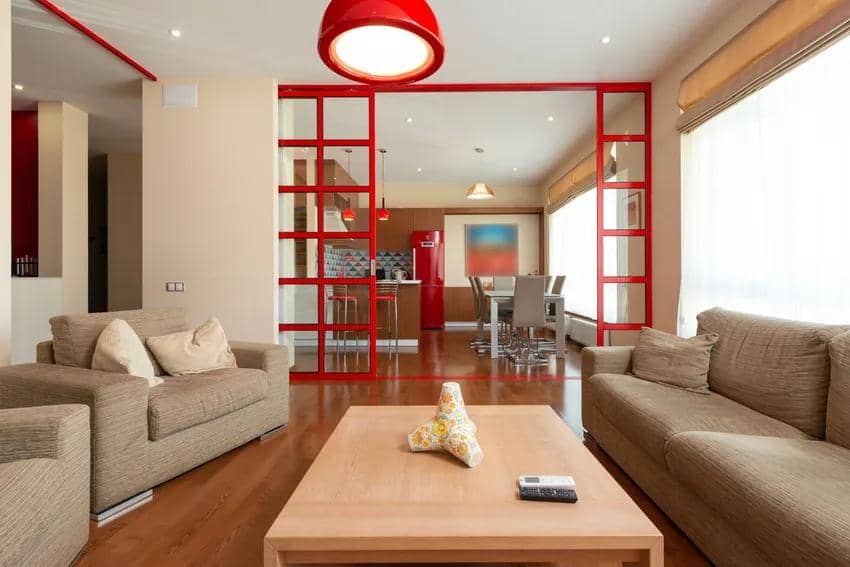
Owning or managing a flat in a seaside town brings a sense of tranquillity and luxury, but also exposes the property to one of the most aggressive microclimates. Damage from fine sand and sea salt is often underestimated because it does not occur suddenly. It emerges through slow but destructive changes to building materials, air conditioning systems and overall indoor air quality.
Coastal winds and waves generate salt-laden aerosols that travel surprisingly far inland. These invisible particles settle on façades, terraces and inside the home. Combined with temperature fluctuations and high humidity, they cause accelerated corrosion, surface wear and the growth of harmful microorganisms. Sand, meanwhile, acts as a relentless abrasive, destroying floor coverings and carrying salt even deeper into the building's structure.
To preserve your property's value and save thousands of euros on premature repairs, you need to understand precisely how these natural elements work. Below, we examine the mechanisms of deterioration and offer proven strategies for proper home cleaning and effective maintenance, based on professional hygiene standards and building science.
The invisible enemy: marine aerosols and sand transport
How far does sea salt actually travel?
A common misconception is that only seafront buildings are at risk. In fact, breaking waves create fine sea spray. Water in these microscopic droplets evaporates quickly, leaving solid particles rich in sodium chloride, sulphates and organic matter. Wind can carry these salty aerosols 50 to 80 kilometres inland.
In towns near the sea, buildings and streets often act as funnels, capturing these aerosols and directing them towards façades and open terraces. High humidity prevents the salty film from drying completely, turning it into a highly conductive, chemically aggressive solution that coats the building for much of the year.
The double threat of coastal sand
Sand enters flats in two main ways: carried by wind or brought in on occupants' shoes, clothing and beach equipment. It consists of sharp quartz grains and crushed shells that act like sandpaper on every surface.
Once indoors, sand accumulates in corners, joints, along skirting boards and deep within carpet fibres. It not only scratches laminate, parquet and glass but also acts as a 'vehicle' for sea salt. Bringing salty sand grains into tiny cracks in floors or window frames inadvertently creates small reservoirs of corrosion inside the flat itself.
How salt and sand destroy materials and systems
Accelerated corrosion of metals and reinforced concrete
The best-known effect of sea salt is corrosion. Chloride ions penetrate even concrete and attack its reinforcement. As steel begins to rust, its volume increases severalfold. This creates enormous internal stress, causing concrete to crack and break away — a process often seen on old or poorly maintained terraces.
External metal components, such as balcony railings, fixings and window frames, are under attack around the clock. Studies show that ordinary steel exposed to salty sea spray can lose up to 15–20% of its thickness in just one year unless properly protected. This is why high-grade stainless steel, such as grade 316, is recommended for coastal properties, along with avoiding direct contact between different metals.
Deterioration of render, bricks and grout
Porous materials such as bricks, render, limestone and even bathroom grout act like sponges for salty aerosols. Salt enters the material's microscopic pores along with moisture. When the weather warms and the water evaporates, the salt crystallises.
This crystallisation generates enormous internal pressure, between 10 and 20 MPa, literally tearing the material apart from within. The result is crumbling render, cracked grout and white patches, known as efflorescence, on walls.
Glass damage and reduced energy efficiency
Believe it or not, salt deposits on your windows can increase your electricity bills. Scientific data show that salt layers on double-glazed units alter their thermal properties, increasing their heat transfer coefficient by approximately 100 to 188 per cent. This means your air conditioner has to work much harder to cool or heat the room.
Furthermore, if you try to scrub these windows aggressively without first removing the fine sand, you will irreparably scratch the glass and its special protective coatings.
Blockages and rust in heating, ventilation and air conditioning (HVAC) systems
Outdoor air conditioning units are perhaps the most vulnerable equipment in seaside flats. Salt clings to aluminium fins and copper pipes, causing pitting and refrigerant leaks. At the same time, accumulated sand blocks airflow and reduces efficiency. Indoor filters clog much faster with fine dust and salt, worsening air quality and potentially spreading mould spores.
The connection between salt, moisture and mould
Sea salts are highly hygroscopic — they literally attract and retain water vapour from the air. This means a surface covered with an invisible layer of sea salt will remain damp much longer, even when the weather outside seems dry.
This persistent dampness is ideal for mould and mildew growth. Good hygiene requires moisture from accidental leaks or condensation to be dried within 24 to 48 hours. In the presence of salt, however, complete drying becomes extremely difficult. Mould often appears around window frames, in textile flooring where sand and moisture have been brought in, and around air ducts. Tackling it requires more than treatment with a cleaning product: the root cause — moisture-retaining salt — must be removed.
Strategies for effectively cleaning a seaside home
Prevention and regular, gentle maintenance are the keys to protecting your seaside property. Aggressive scrubbing and inappropriate cleaning products often cause more damage than nature itself.
Outdoor cleaning: terraces, railings and windows
- Freshwater rinsing: The most effective way to neutralise salt is to wash it away. At least once a month, rinse terrace floors, railings and outdoor air conditioning units with fresh water at low to moderate pressure. Avoid high-pressure washers, which can force water into joints or damage the façade.
- Glass care: Windows and glass balustrades should be washed with plenty of water to remove abrasive sand before squeegees or cloths are used. Use neutral detergents to preserve the glass's factory-applied coatings.
- Ensuring drainage: Regularly remove accumulated sand from terrace drains and drainage channels. Standing salt water is a sure recipe for damaged waterproofing.
Indoor cleaning: dealing with sand and salt
- Entrance barriers: Invest in high-quality doormats — a coarse one outside to remove sand and an absorbent one inside to trap moisture. A strict shoes-off rule at the door will halve the dirt brought in.
- Vacuuming considerations: A standard quick pass with a vacuum cleaner is not enough for sea sand, especially in carpets. Sand is heavy and settles at the base of the fibres. Vacuum slowly, making several passes in different directions. Always use a crevice tool for corners and skirting boards.
- Hard floors and joints: Wooden and laminate floors must first be dry-cleaned with a vacuum cleaner to avoid scratching during mopping. To remove a sticky salt film, use a slightly damp mop with a solution safe for the particular flooring.
- Professional deep cleaning: Professional deep cleaning of textile flooring, upholstered furniture and grout is strongly recommended at least once a year. Professional extraction machines can remove crystallised salt and embedded sand that domestic appliances cannot reach.
Equipment maintenance and mould prevention
- Air conditioners: Besides rinsing the outdoor unit, indoor filters in seaside flats should be washed or replaced every 30 days during the busy season.
- Moisture control: Keep indoor humidity below 60%, ideally between 30% and 50%, through air conditioning and ventilation. If you notice mould, clean it with water and detergent, without mixing bleach and ammonia, which releases toxic gases, and always remove surrounding salt deposits.
Optimal cleaning frequency: a recommended schedule
To simplify maintenance and protect your investment, follow this indicative schedule:
- Weekly: Vacuum the entire home, focusing on the entrance area; shake out doormats; wipe dust and fine sand from furniture; clean glass surfaces with microfibre.
- Monthly: Wash terraces and railings with fresh water; gently rinse the outdoor air conditioning unit; replace or clean air filters; visually inspect for leaks and early mould growth in the bathroom.
- Every 3 to 6 months: Thoroughly wash windows and frames; clean balcony drains; treat door hinges and sliding mechanisms.
- Once a year: Professionally deep clean upholstery, mattresses and carpets; check bathroom grout and silicone and seals around windows; inspect metal fixings for rust.
Frequently asked questions (FAQ)
1. Should I worry about sea salt if my flat is 5 kilometres from the beach? Yes. Scientific studies demonstrate that windborne salty marine aerosols cause increased corrosion and deposits up to 50–80 km inland. The microclimate affects the entire coastal town.
2. Can I simply clean my carpet with an ordinary domestic carpet cleaner? Domestic carpet cleaners often lack the power to extract heavy wet sand from the base of the fibres. Retained moisture mixed with salt and sand can cause odours and mould. Periodic professional cleaning with powerful extractors is therefore essential for coastal homes.
3. Why do my windows look dirty just a few days after washing them? This is caused by the constant airborne transport of salty aerosols. Moisture in the air settles on the glass and leaves a fine white salt film as it dries. Regular but gentle rinsing is the only solution.
4. Is it true that salt directly causes mould? Salt itself is not alive and does not 'produce' mould, but it is highly hygroscopic. This means salt deposits on walls or furniture attract and retain moisture from the air. This persistent local dampness creates the perfect environment for fungal and mildew growth.
Conclusion
Maintaining a flat in a seaside town involves specific challenges that go far beyond ordinary dusting. Invisible corrosion processes, salt crystallisation and the abrasive action of sand work around the clock, damaging material structures and worsening the air quality in your home.
The answer lies in intelligent prevention rather than costly repairs after damage occurs. Following an appropriate cleaning schedule, using suitable salt-removal methods and controlling moisture are crucial to your property's longevity. Do not underestimate the need for periodic professional deep cleaning either — expert care of flooring and furniture is more than a matter of perfect hygiene; it is an investment in preserving your seaside home's value and beauty for decades to come.