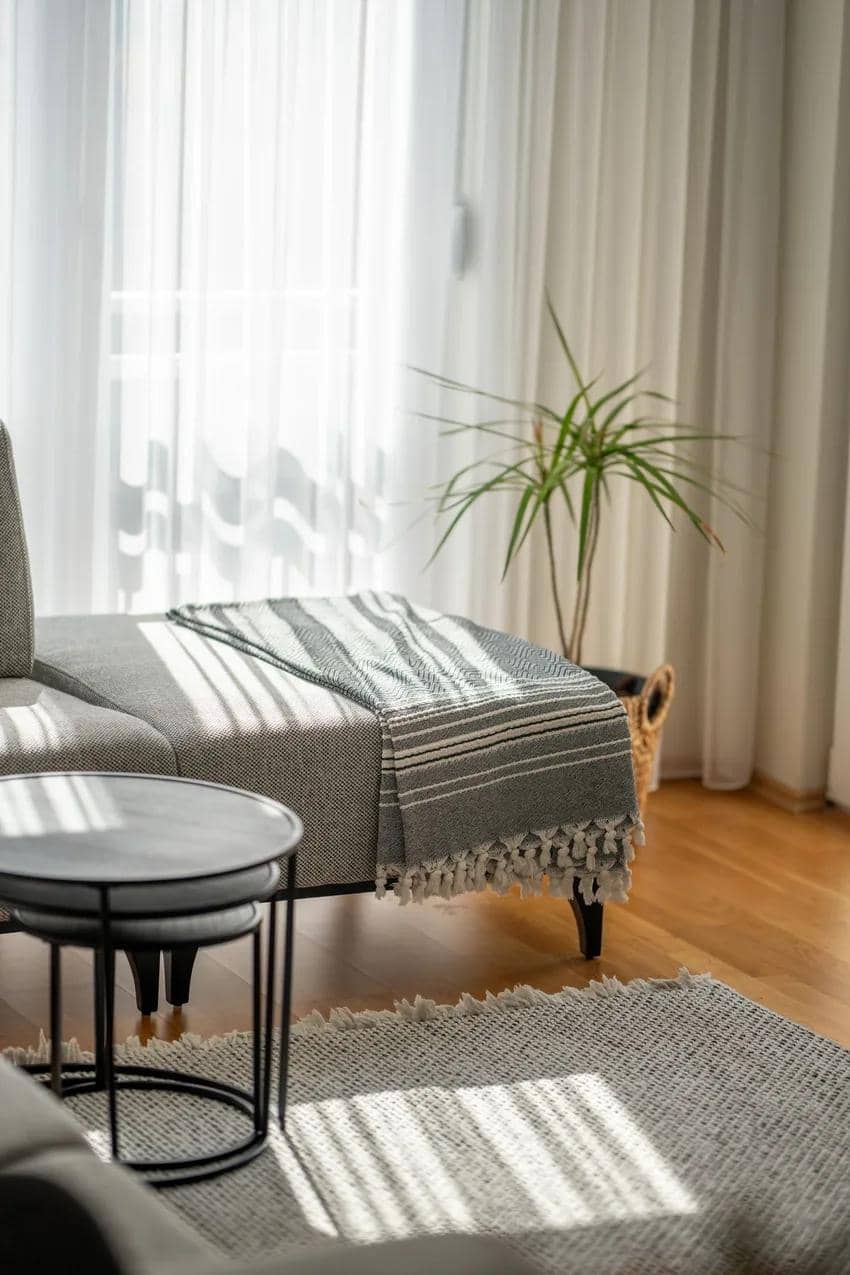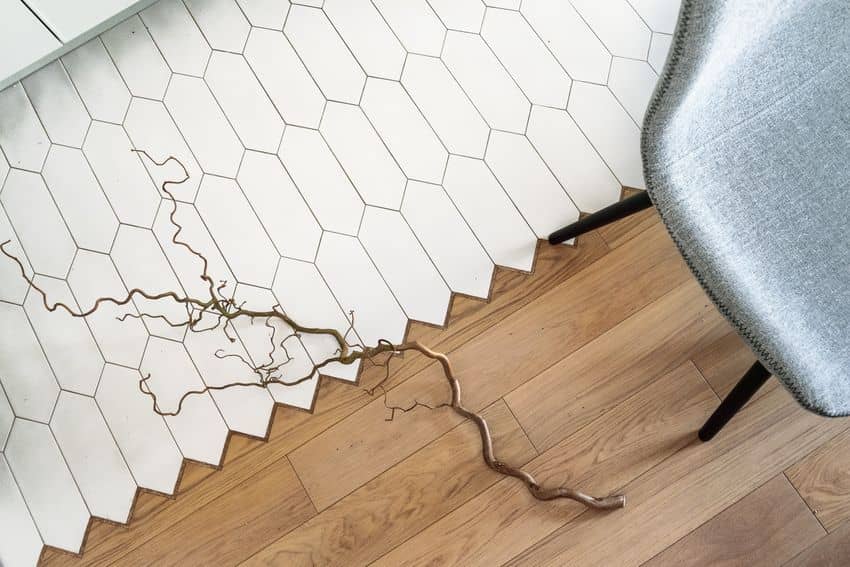
Luxury vinyl tile (LVT) flooring and its plank-format counterpart, luxury vinyl plank (LVP), have rapidly become among the most popular choices for modern homes, offices and even healthcare facilities. They combine exceptional durability, water resistance and attractive designs that convincingly imitate wood or stone. Unlike traditional flooring, they also need no sanding, polishing or waxing.
Although LVT floors are marketed as easy to maintain, increased attention to excellent hygiene has prompted many owners to ask exactly how to care for them. The aim is to keep flooring looking ‘like new’ and ensure a safe environment without damaging the surface with aggressive products.
Drawing on the expertise of home-cleaning professionals and manufacturers' own recommendations, this article explores proven methods for everyday maintenance, correct deep cleaning and when disinfection is actually necessary.
What are LVT floors, and why do they require specific care?
To understand how to clean luxury vinyl correctly, we need to understand its structure. LVT and LVP are multilayer floor coverings. They usually consist of a backing, vinyl core, printed decorative layer and, most importantly, a transparent protective wear layer. This top layer is often reinforced with polyurethane coatings that protect against scratches and stains.
Although many products are 100% waterproof, this mainly applies to the materials themselves, not necessarily the joints between them. More importantly, the factory-applied protective layer is the main barrier between dirt and the attractive design. It resists water and neutral cleaners, but unsuitable chemicals or abrasive tools can easily dull, scratch or discolour it.
Golden rules for everyday maintenance and cleaning
Beautiful, long-lasting vinyl flooring depends on the correct cleaning frequency and gentle methods. These are the main steps:
1. Dry cleaning — the first line of defence
The greatest enemies of LVT floors are fine sand, dust and small hard particles, rather than stains. When we walk on them, they act like sandpaper, creating microscopic scratches in the protective layer. Over time, this reduces shine and makes the flooring look worn.
Daily dust removal, or at least every other day, is therefore essential. Use:
- A dry microfibre mop: Microfibre captures fine dust and pet hair much more effectively than a traditional broom, without raising dust into the air.
- A vacuum cleaner without a rotating brush: If vacuuming, ensure the machine is set to hard-floor mode. Rotating stiff brushes, or beater bars, designed for carpets can scratch vinyl.
2. Damp cleaning with a pH-neutral product
Damp cleaning is needed for the floor's weekly refresh. The main rule is to avoid excessive wetting. Although vinyl tolerates water, excess moisture can penetrate joints, reach adhesive or underlay and cause problems.
- Use a flat microfibre mop that is only slightly damp.
- Always choose a pH-neutral cleaner specifically designed for vinyl or hard flooring.
- Avoid common supermarket multipurpose cleaners containing soap, wax or citrus oils. They leave a sticky film on LVT flooring that dulls it and attracts dirt like a magnet.
Deep cleaning, disinfection and hygiene: what is the difference?
When discussing professional home cleaning, it is important to distinguish cleaning, sanitising and disinfection. According to health authorities such as the Centers for Disease Control and Prevention (CDC), floors are classified as ‘low-touch surfaces’. We rarely touch them with our hands, making routine household disinfection entirely unnecessary and potentially harmful to the flooring.
- Cleaning removes dirt, dust and most germs through physical scrubbing with water and detergent. This is entirely sufficient for 99% of everyday situations.
- Disinfection uses strong chemicals, such as bleach or quaternary ammonium compounds, to kill pathogens. It requires the surface to be cleaned beforehand.
When does an LVT floor need disinfecting?
Disinfection is justified only in specific high-risk situations, for example:
- If a household member has an infectious illness.
- Following pet accidents involving urine, faeces or vomit.
- If bodily fluids such as blood, or raw meat juices in the kitchen, reach the floor.
How do you disinfect safely?
If disinfection is necessary, always clean the area first with water and neutral detergent. Dirt blocks disinfectants' action.
Then apply a suitable product. Many vinyl manufacturers warn against bleach because it can discolour the finish. If an antibacterial product is needed, choose one that is vinyl-safe, follow dilution and contact-time instructions strictly, usually keeping the surface damp for around 5–10 minutes, then wipe carefully.
Tip: For localised stubborn marks from markers, paint or ink, manufacturers recommend gentle rubbing with a little isopropyl alcohol on a white cloth, followed by rinsing with a damp cloth.
The most common luxury vinyl maintenance mistakes
To protect your investment, avoid these popular but damaging practices:
- Using steam mops: This is perhaps the most common mistake. Manufacturers strictly prohibit steam cleaners on LVT/LVP. Extreme heat combined with moisture can melt adhesives, warp planks and damage the flooring's locking mechanism or click system.
- Cleaning with vinegar: Although vinegar is a popular environmentally friendly home-cleaning product, it is an acid. Regular use will erode vinyl's fine polyurethane coating, leaving it dull and vulnerable.
- Using ammonia or bleach: Highly alkaline substances such as ammonia and strong oxidisers such as bleach cause irreversible discolouration and structural damage to the top layer.
- Stiff or abrasive scourers: Never scrub dried stains with wire scourers or stiff brushes.
Preventative measures for a beautiful, long-lasting floor
The best deep cleaning is the kind you do not need to do often. Prevention is key to easy maintenance.
Place mats at entrances: Statistics show that quality mats can stop up to 85% of dirt and sand before it enters your home. Important warning: choose mats without rubber or latex backing, as these materials react chemically with vinyl and can leave permanent yellow stains. Look for textile or vinyl backing.
Use felt pads: Attach quality felt pads to the legs of all furniture, including tables, chairs and sofas. Always lift furniture when moving it; never drag it.
Clean spills immediately: Although the floor is water-resistant, allowing coloured liquids such as wine, coffee or tomato sauce to dry can leave a permanent stain. Wipe spills immediately with a soft, absorbent cloth.
Be careful with sunlight: Prolonged exposure to strong direct sunlight can fade LVT colours. Use blinds or curtains during the hottest hours of the day.
Frequently asked questions (FAQ)
1. Can I use a steam cleaner to disinfect my LVT floor? No. Steam cleaners are strictly prohibited. High temperatures and steam can destroy vinyl's structure, damage its protective layer and compromise joints or adhesive.
2. Is a water-and-vinegar solution suitable for washing luxury vinyl? It is not recommended. Vinegar is an acid and, although it cleans other surfaces well, it slowly destroys LVT flooring's top polyurethane layer, causing loss of shine. Use only pH-neutral products, at pH 7.
3. How often should I wash the floor with water and detergent? This depends on household footfall, but damp cleaning with a well-wrung microfibre mop once a week is generally sufficient. Dry cleaning with a vacuum or dry mop should take place as often as possible, daily or every other day.
4. My floor looks cloudy and feels sticky. What should I do? This usually results from using the wrong product, such as one containing soap or wax, or too much product that has not been rinsed away. To remove the film, carefully wash the floor several times with only clean, warm water and a microfibre mop until the accumulated residue is gone.
5. How do I remove black shoe scuff marks? Black sole marks are usually easily removed by gently rubbing with a dry cloth or an ordinary pencil rubber. For more stubborn marks, put a few drops of isopropyl alcohol on a white cloth, rub the mark and wipe with a damp cloth afterwards.
Conclusion
Keeping luxury vinyl tile (LVT) floors immaculate requires neither expensive machines nor aggressive chemicals. The secret lies in a gentle approach. Regularly removing dust and sand, using a slightly damp microfibre mop and investing in a pH-neutral cleaner are all you need for routine home cleaning.
Reserve strong chemicals and disinfectants for exceptional situations to protect the flooring's wear layer. Following these simple expert rules will ensure excellent hygiene in your home and a long life, beauty and shine for your LVT floor for decades to come.