Keeping your home clean is much more than an aesthetic necessity — it underpins a healthy living environment. Yet when deciding to hire a professional company or plan their own schedule, many homeowners face the same dilemma: what exactly is the difference between standard cleaning and deep cleaning?
These two terms are often used interchangeably, but in practice they describe entirely different processes. The difference is not simply about “spending more time”, but about the scope, intensity, methods used and ultimate purpose of the cleaning itself.
Drawing on modern hygiene standards and guidance from leading international health and professional organisations, this article will help you understand where the boundary between the two services lies. We will explore when you need routine maintenance, when it is time to give your home a complete reset, and how alternating the two approaches appropriately protects your family's health.
What does “cleaning” actually mean in modern hygiene?
To understand the difference between the types of service, we first need to define the main processes. According to global health institutions, home hygiene practices fall into three clear categories:
- Cleaning: This is the physical process of removing dirt, dust, crumbs and organic material from surfaces. It usually involves water, soap or a neutral detergent and mechanical scrubbing. Cleaning does not kill 100% of germs, but dramatically reduces their numbers by removing them from the environment.
- Sanitising: A process that reduces the number of bacteria on surfaces to levels considered safe under public health standards.
- Disinfection: The use of specialist chemical products to destroy pathogenic microorganisms (viruses and bacteria). The golden rule here is that disinfection only works on a surface that has been cleaned first. If a worktop is greasy or dusty, the disinfectant will not work effectively.
At home, standard cleaning focuses mainly on the first stage (with light disinfection of critical areas), while deep cleaning often combines intensive removal of accumulated dirt with more targeted disinfection.
Standard home cleaning: maintaining everyday comfort
Standard (or routine) home cleaning is designed to maintain a consistent, acceptable level of cleanliness and order. Its purpose is not to restore the property to an “as new” condition, but to prevent visible dirt from building up and keep everyday hygiene under control.
What does it include and what is its scope?
Because routine cleaning time is limited, the focus is on the most frequently used and readily visible surfaces. The process usually begins with basic tidying (removing unnecessary items from worktops), followed by the rules of cleaning “from top to bottom” and “from clean to dirty”.
Typical standard cleaning tasks include:
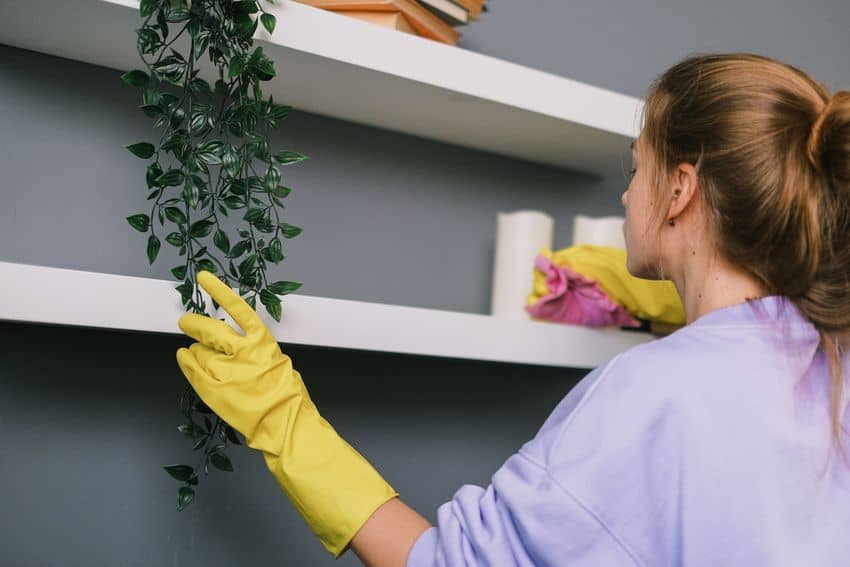
- Dusting easily accessible furniture, shelves and worktops.
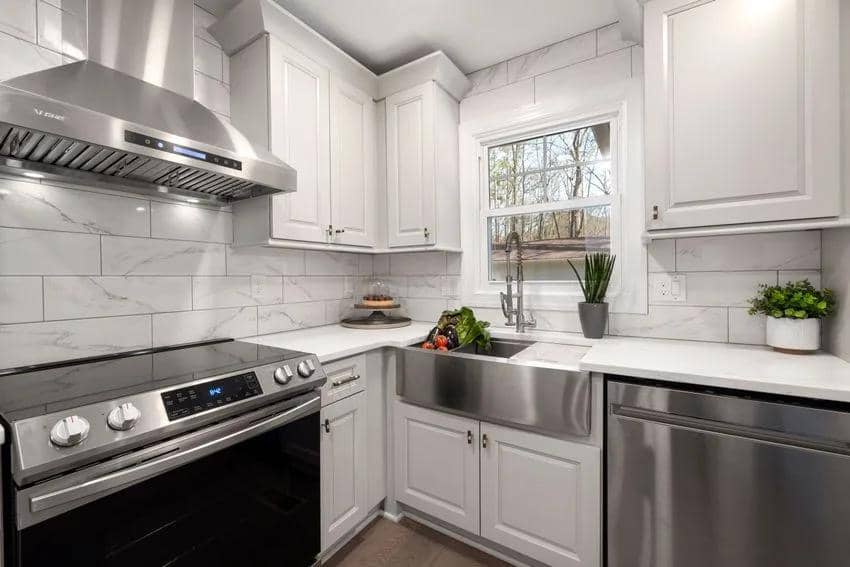
- Cleaning the kitchen (wiping the outside of appliances, worktops, sink and hob).
- Cleaning the bathroom (washing the basin, toilet, bath/shower enclosure and wiping mirrors).
- Vacuuming all rugs, carpets and hard floors.
- Mopping floors with a suitable cleaning product.
- Disposing of household waste.
- Disinfecting key high-touch points (door handles, light switches and taps).
Cleaning frequency
To be effective and fulfil its purpose, standard cleaning must be a regular part of your schedule. Professional recommendations are to carry it out weekly or every fortnight. Regular maintenance ensures that germs and allergens in the home remain at minimal levels, while subsequent deep cleans take far less time and effort.
Deep cleaning: a complete reset for your home
Unlike routine maintenance, deep cleaning is an extensive, exceptionally detailed and labour-intensive process. It targets hidden, hard-to-reach or neglected areas that standard cleaning simply does not reach. The aim of deep cleaning is to “reset” the environment and restore it as closely as possible to its original appearance.
Intensity and specific tasks
Deep cleaning includes absolutely every standard cleaning task, but builds on them considerably in both breadth and depth. It is often a process that takes two to three times longer than a routine visit.
What a deep clean adds:
- In the kitchen: Cleaning inside the oven and microwave, degreasing kitchen cupboards, cleaning behind and beneath heavy appliances (fridge and cooker), and cleaning inside the fridge.
- In the bathroom: Intensively scrubbing tile grout, removing accumulated limescale from shower glass and taps, and thoroughly disinfecting the area around the toilet and drains.
- Hard-to-reach places: Dusting ceiling fan blades, light fittings, ventilation grilles, high cupboards, skirting boards and door frames.
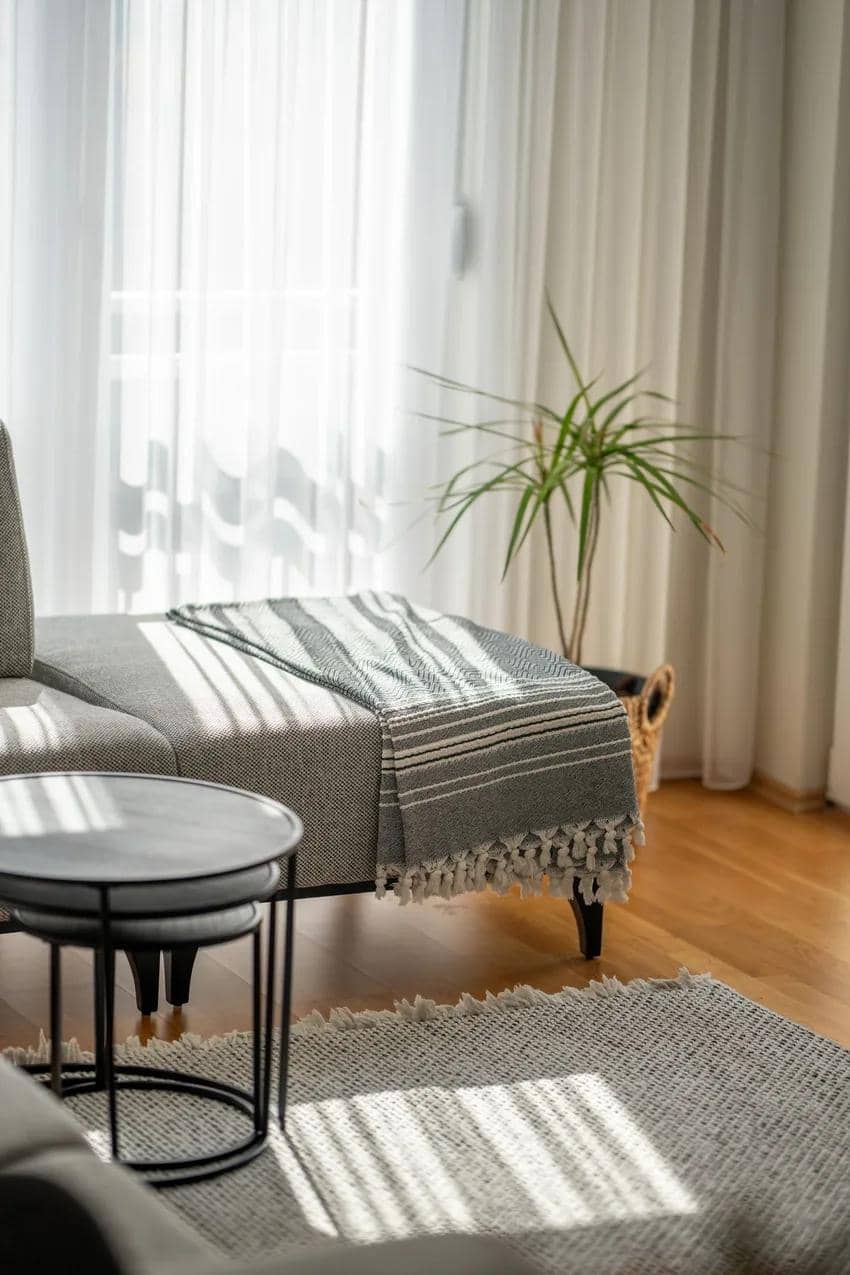
- Upholstery and textiles: Thoroughly vacuuming sofas (including beneath the cushions), washing carpets (if requested), and washing curtains or blinds.
- Floors: Cleaning edges beside skirting boards and moving lightweight furniture to clean underneath it.
When is deep cleaning needed?
Deep cleaning is carried out periodically. It is recommended in specific situations when routine maintenance is insufficient:
Seasonal cleaning: The traditional spring or autumn clean.
Change of tenants (end of tenancy): When the property must be handed over in immaculate condition, meeting the inventory requirements.
Preparing for sale: To make the property as attractive as possible.
After renovation: To remove fine building dust that gets everywhere.
After illness: For thorough disinfection and to prevent viruses from spreading.
The ideal frequency for a well-maintained household is every 6 to 12 months. If the home has pets or young children, or standard cleaning is not carried out regularly, this interval may be reduced to 3–4 months.
Comparison: benefits for health and hygiene
The difference between the two levels of cleaning directly affects the healthiness of the home environment.
Standard cleaning effectively removes everyday dust and reduces the risk of transmitting colds by touching contaminated surfaces. It is entirely sufficient to maintain the health of people without specific medical conditions.
Deep cleaning, however, plays a critical role in tackling allergies. Dust mites (microscopic organisms that feed on dead skin cells) thrive in household dust and are a leading cause of asthma, sneezing and eye irritation. Because deep cleaning covers upholstery, ventilation openings, high shelves and hard-to-reach corners, it eliminates hidden reservoirs of mites and allergens, providing significantly cleaner air.
Common home cleaning mistakes
Whether you clean yourself or hire a company, knowing these common mistakes will help you achieve a higher standard of hygiene:
- Overusing disinfectants: Using strong chemicals (such as bleach) on every surface is unnecessary and even dangerous. Health experts advise using disinfectants selectively — mainly on high-touch surfaces or after a family member has been ill. For everything else, warm water and soap/detergent are entirely sufficient.
- Wrong order (cross-contamination): Cleaning the floor before dusting high cupboards defeats the purpose of your work. Always clean from top to bottom. Similarly, using the same cloth for the bathroom and kitchen worktops can transfer dangerous bacteria.
- Neglecting “invisible” touch points: We often focus on large surfaces (floors and tables) but forget the small details we touch 20 times a day — the TV remote, fridge handle and toilet flush button.
- Relying solely on deep cleaning: Some households neglect weekly maintenance on the basis that they will call in a company for a deep clean in a month's time. This leads to heavy dirt build-up that can damage surfaces (for example, permanent limescale marks or mould) and makes the service significantly more expensive.
Safety and professional standards
Professional home cleaning (particularly deep cleaning) involves working with various chemical products. To make the process safe for your family and pets, it is important to follow certain rules.
Never mix different cleaning products (especially those containing bleach and ammonia), as this can release toxic gases. Always ensure good ventilation while cleaning and read product labels for the required contact time — many disinfectants need to remain wet on the surface for between 3 and 10 minutes to work before you wipe them away.
Professional cleaning companies follow strict safety protocols (using gloves, proper ventilation and ergonomic techniques for lifting heavy objects), making them the safest choice when demanding deep cleaning is needed.
Frequently asked questions (FAQ)
1. How often should I deep clean my home? For an average household that maintains good daily hygiene, deep cleaning is recommended every 6 to 12 months. If you have pets, suffer from severe allergies or rent out the property, you may need to do it every 3–4 months.
2. Do I need to disinfect the whole home during standard weekly cleaning? No. Global health organisations state that standard cleaning with warm water and detergent removes most germs. Disinfection should only be applied to high-touch surfaces (handles, switches and basin taps) or when someone in the home is ill.
3. Can deep cleaning help with allergy problems? Absolutely. One of the main causes of household allergies is the accumulation of dust, mites and pet dander in hard-to-reach areas (sofa cushions, ventilation grilles, high cupboards and carpets). Deep cleaning targets precisely these areas and significantly improves air quality.
4. Should I tidy my home before professional cleaners arrive? Yes, this is strongly recommended. Putting away scattered clothes, children's toys, documents and dishes allows professionals to focus on actually cleaning and disinfecting surfaces, rather than spending time moving personal belongings.
Conclusion
The difference between standard and deep home cleaning is not a matter of personal preference, but an established system that ensures optimal hygiene. Standard cleaning is your reliable partner for everyday comfort, a welcoming home and control over visible dirt. It is an investment in the family's peace of mind and healthy routine.
Deep cleaning, in turn, is a powerful tool for completely resetting the home environment. It reaches where everyday care cannot, eliminating hidden allergens, stubborn stains and accumulated dirt. Combining regular standard maintenance with periodic deep cleaning is the best strategy for providing yourself and your loved ones with a truly immaculate, healthy and safe home.