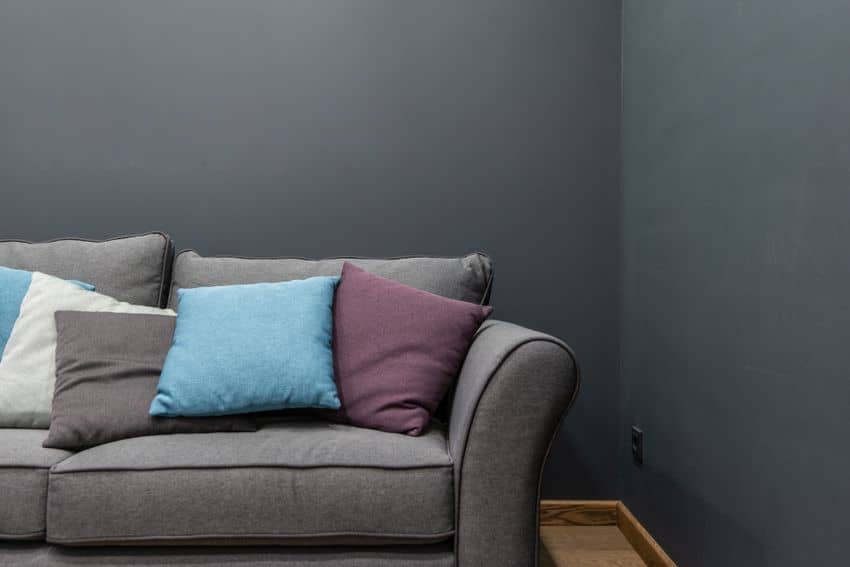
The sofa is often the heart of the home — a favourite place to relax after a long working day, the centre of family film nights and the space where we welcome guests. But have you thought about what lies beneath its attractive upholstery? Caring for upholstered furniture through professional cleaning is more than a matter of appearance. It brings together fabric preservation, indoor air quality and health protection, particularly in households with children, pets or people with allergies.
Many homeowners ask: How often should we actually call in specialists for deep cleaning? According to furniture manufacturers' guidance, cleaning industry recommendations and health agency advice, there is no single answer: it depends on your lifestyle. Nevertheless, a clear picture emerges — regular domestic maintenance is absolutely essential, but cannot replace periodic expert attention.
In this article, we examine recommended cleaning frequencies, best practices for excellent home hygiene and common mistakes that could ruin your favourite sofa.
Why does your sofa need more than ordinary vacuuming?
Government and medical sources, including the US Environmental Protection Agency (EPA) and various asthma and allergy foundations, highlight a concerning fact. Upholstered furniture acts as a 'reservoir' for dust, allergens, pet dander and fine particles.
Even the most powerful domestic vacuum cleaner cannot fully extract microscopic pollutants and dust mites that penetrate deep into the sofa's filling. When you sit or lie down, these particles are released back into the air, potentially making conditions such as allergic rhinitis and asthma considerably worse. High-quality clinical studies show that although intensive vacuuming and dry steam cleaning dramatically reduce dust mite populations, these results are not permanent. Allergens can accumulate again within just a few weeks of cleaning. This highlights the need for a comprehensive hygiene strategy rather than simply reacting when the sofa already looks dirty.
Recommended cleaning frequency: what do experts say?
Professional upholstery cleaning frequency should reflect a combination of factors: fabric type, intensity of use, the presence of children and animals, and occupants' health.
Based on industry standards, we can divide recommendations into three main categories:
1. Standard households: every 12 to 24 months
If you live alone or with a partner, have no pets, do not smoke indoors and have no significant allergies, professional cleaning every 12 to 24 months is sufficient. This is the minimum standard recommended by most furniture manufacturers to preserve the fibres' structural integrity and prevent lasting deterioration of colours.
2. Busy family homes: every 6 to 12 months
When the living room sofa is used daily by the whole family, serves as a place to eat in front of the television or becomes a children's play area, requirements change. If you have a dog or cat that climbs onto furniture, hair, body oils and odours accumulate much faster. In these cases, leading cleaning franchises advise deep cleaning every 6 to 12 months to prevent permanent stains and fabric wear.
3. People with allergies and asthma: every 3 to 6 months, plus strict home care
For households managing severe dust mite allergies, upholstered furniture presents a significant risk. In such health-sensitive settings, professional cleaning is recommended every 3 to 6 months, or at least annually if combined with very thorough monthly deep cleaning by the owners themselves. Experts advise making this part of a wider plan that includes controlling indoor humidity and using HEPA filters.
Best practices for upholstery maintenance
To extend your sofa's life and reduce the need for specialist attention, follow a few basic home-cleaning rules:
- Weekly vacuuming: Use a vacuum cleaner with a HEPA filter and a dedicated upholstery attachment at least once a week. Pay particular attention to crevices, seams and the space beneath cushions.
- Responding immediately to stains: When you spill something, never rub! Rubbing pushes the stain deeper into the fibres and can damage the fabric. Instead, blot gently with a clean white cloth, working from the stain's outer edge towards its centre.
- Turning and plumping cushions: To ensure even wear of the fabric and filling, turn your sofa cushions regularly if the design allows it.
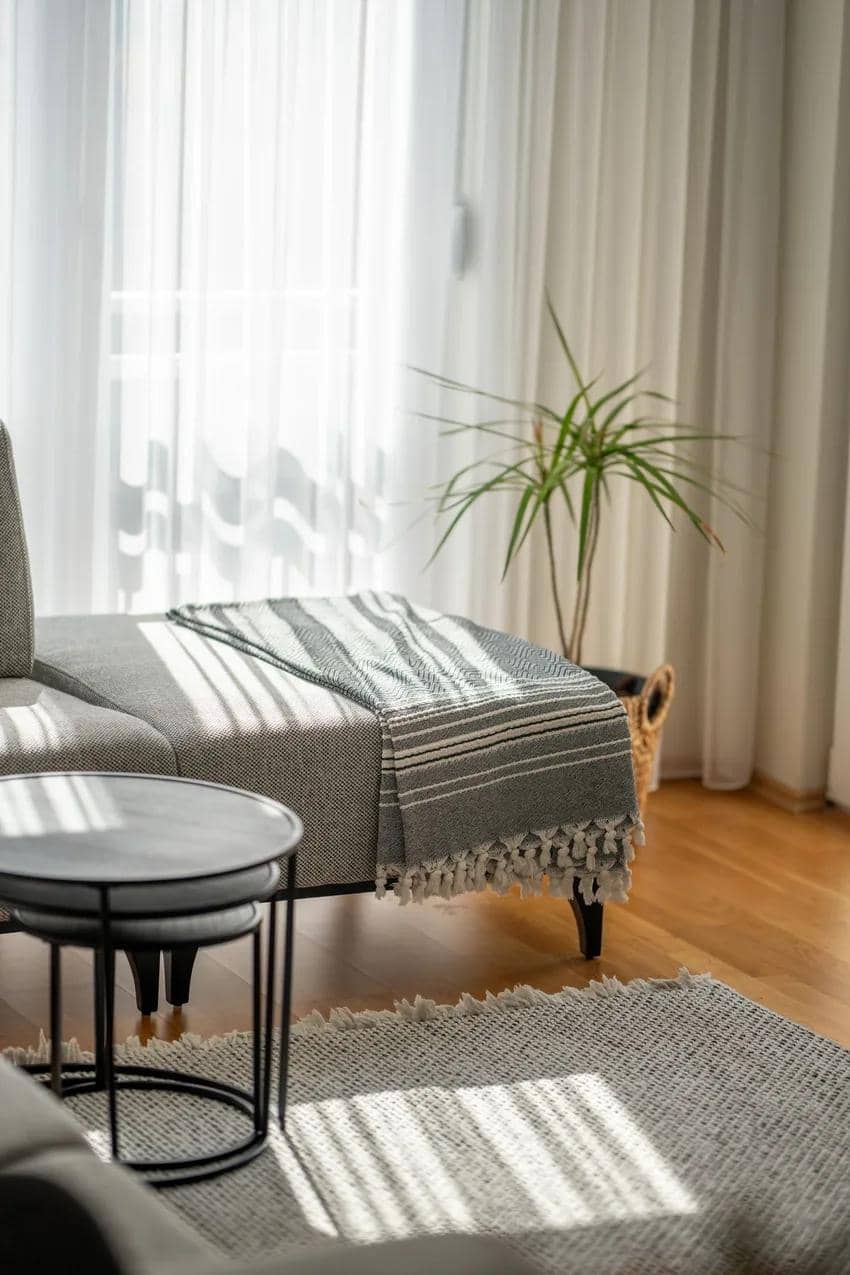
- Protection from sunlight: Direct sunlight can cause irreversible fabric fading. Use blinds or curtains to protect upholstered furniture during the brightest part of the day.
- Humidity control: Keep your home's humidity between 30% and 50%. Dust mites and mould thrive in damp environments, particularly in the deeper layers of upholstered furniture.
Common mistakes that ruin your sofa
Even with the best intentions, owners often make mistakes that compromise furniture condition and worsen air quality.
1. Ignoring manufacturers' labels: cleaning codes Upholstery has specific codes: 'W' means water-based cleaning only, 'S' requires solvent-only cleaning or dry cleaning, and 'SW' permits both. Using a water-based product on an 'S'-coded sofa can cause fabric shrinkage, permanent water marks and discolouration.
2. Excessive wetting: overwetting One of the most dangerous DIY cleaning mistakes is using too much water. If water penetrates deep into the foam and does not dry quickly, within 24 hours, it creates an ideal environment for mould and bacteria that are extremely hazardous to health.
3. Relying entirely on professionals Some people do not vacuum their sofa for months, assuming an annual professional clean will solve everything. In reality, allowing dust and body oils to accumulate causes them to bond chemically with the fabric fibres, making complete removal almost impossible even with the best machines.
4. Using harsh chemicals Using bleach or strong alkaline products on your own initiative can break down fibres and destroy colours. Professionals use pH-balanced products suited to the particular textile: cotton, linen, microfibre or synthetics.
Safety and industry cleaning standards
When hiring a professional cleaning company, it is important to know which standards should be followed. Leading organisations such as IICRC, the Institute of Inspection, Cleaning and Restoration Certification, train certified technicians to identify fibres correctly, test colourfastness and select appropriate chemicals.
Safety also includes proper moisture management. Professional extractors, or upholstery cleaning machines, inject hot water and cleaning solution while providing powerful suction that extracts over 90% of the moisture along with dissolved dirt. This ensures the sofa dries within a few hours, eliminating the risk of mould.
Professional services are also increasingly using products low in volatile organic compounds (VOCs) and formulations without strong fragrances, which is critical in homes with people who have asthma or young children.
Frequently asked questions (FAQ)
1. Can I simply use a domestic steam cleaner instead of calling professionals? Domestic steam cleaners are excellent for surface disinfection and refreshing, but lack the suction power of professional extractors. This means steam can push dirt deeper into the filling and leave the sofa too wet, creating a mould risk.
2. Will deep cleaning remove all dust mites forever? No. Studies show that intensive cleaning significantly reduces dust mite numbers and their allergens, but populations begin recovering after 4 to 8 weeks. Professional cleaning must therefore be combined with regular weekly vacuuming and humidity control.
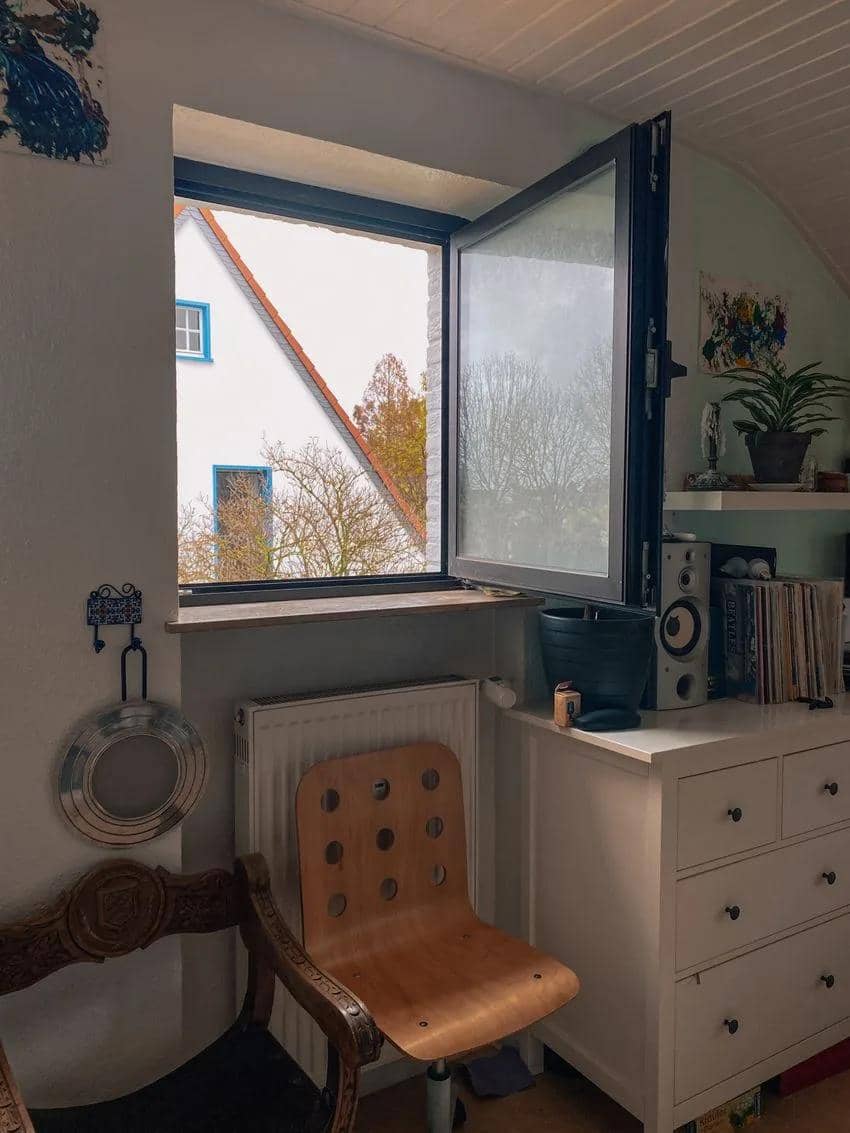
3. How long does a sofa take to dry after professional cleaning? Drying time usually ranges from 4 to 24 hours. It depends on the fabric, cleaning method, room temperature and ventilation. Professionals advise opening windows or running air conditioning or a fan to speed up the process.
4. My sofa looks clean. Does it still need professional cleaning? Yes. Visible cleanliness is often deceptive. Fabrics act as filters, trapping dust, dead skin cells and microorganisms invisible to the naked eye. Regular annual cleaning removes these hidden threats and prevents premature fabric ageing.
Conclusion
Maintaining upholstered furniture involves more than removing the occasional coffee spill. It is a key part of managing a healthy environment and hygiene in your home. Drawing together the experience of leading manufacturers and health agencies, we can confidently say that professional upholstery cleaning at least once a year is the optimal standard for the average household.
For families with young children, pets or members with allergies, this interval should be shortened to 6 or even 3 months. Above all, remember that professional deep cleaning is not magic that removes the need for your own care. Combining weekly vacuuming, correct stain treatment, indoor moisture control and periodic professional attention from trained specialists is a reliable recipe for keeping your sofa beautiful, comfortable and safe for your health for years.