When it comes to impeccable hygiene and high-quality home cleaning, choosing the right products matters more than ever. Today, consumers and professional cleaning companies face a significant dilemma: should they rely on traditional chemical products known for their aggressive effectiveness, or switch to environmentally friendly alternatives?
This debate is often presented in black and white — green products are considered completely safe, and conventional ones extremely harmful. The reality is far more nuanced. Each category covers a wide range of chemical formulations, and the actual impact on health and the environment depends on product selection, how it is used and room ventilation.
In this article, we examine the scientific, health and environmental aspects of both types to help you make an informed choice for your home or office.
What is the real difference between cleaning products?
To understand their advantages and disadvantages, we must first define what lies behind the labels on shop shelves. Both types contain chemicals — the difference lies in their safety and biodegradability profiles.
Traditional chemical cleaners and their hidden risks
Traditional cleaning products are formulated to dissolve grease, remove stains and kill germs quickly. To achieve this, they often contain harsh ingredients:
- Strong solvents and VOCs, or volatile organic compounds: These evaporate at room temperature and are a major cause of indoor air pollution.
- Harsh disinfectants: Chlorine bleach, or sodium hypochlorite, and quaternary ammonium compounds are extremely effective against bacteria and viruses, but can be corrosive and highly irritating to the airways.
- Synthetic fragrances and colourings: These often contain complex chemical mixtures that can trigger allergies or react with indoor ozone to form secondary pollutants such as formaldehyde.
What makes a cleaning product truly 'environmentally friendly'?
Eco-friendly cleaners aim to provide the same effectiveness with dramatically reduced risks to people and nature. They rely on rigorous science rather than simply 'plant extracts'. Genuine eco-friendly products certified by independent programmes, such as EU Ecolabel in Europe or the EPA's Safer Choice in the USA, meet the following criteria:
- Low VOC content.
- Biodegradable surfactants that do not accumulate in bodies of water.
- No carcinogens, reproductive toxins or highly corrosive ingredients.
- A more neutral pH and sustainable, recyclable packaging.
Warning: Marketing claims such as '100% natural' do not guarantee safety. Even essential oils can release VOCs and trigger asthma attacks if not formulated correctly.
Health effects: breathing problems and allergies
One of the strongest reasons professional companies switch to environmentally friendly cleaning is people's health. Long-term epidemiological studies show a clear association between frequent use of conventional cleaning products and the risk of asthma and respiratory problems in both adults and children.
The problem with sprays and disinfectant wipes
A large French study, CONSTANCES, involving over 41,000 participants revealed an interesting finding. Conventional sprays and ready-to-use disinfectant wipes significantly increase asthma risk. When products are sprayed as aerosols, fine droplets enter the lungs directly.
Conversely, environmentally friendly products and liquid formulations poured onto a cloth rather than sprayed into the air show a much lower respiratory risk.
Acute poisoning and incorrect use
Many household accidents result from incorrectly mixing traditional products. The most dangerous mistake is mixing chlorine bleach with acids, such as limescale removers, or ammonia. This combination releases toxic chlorine gas that can cause suffocation and severe lung damage. Eco-friendly products significantly reduce this risk by avoiding such highly reactive components.
Protecting the environment: air, water and packaging
Every deep clean ends with products being rinsed down the drain. From there, they reach wastewater treatment plants and bodies of water.
Toxicity to aquatic organisms, including fish and invertebrates, is a serious issue with traditional chemicals. Some conventional ingredients resist degradation and act as endocrine disruptors in nature.
Certified environmentally friendly products use ingredients that break down quickly in aerobic conditions. However, scientific tests show that products merely marketed as 'green', without official certification, can sometimes be just as toxic to aquatic organisms as conventional chemicals. Certification such as EU Ecolabel is therefore crucial — it guarantees the product has passed laboratory ecotoxicity tests.
The environmentally friendly approach also covers packaging life cycles. Professional eco-cleaning systems often use highly concentrated products. This reduces single-use plastic bottle requirements, lowers transport carbon emissions and minimises waste.
Cleaning versus disinfection: what should you use, and when?
One of the biggest misconceptions is that a home must smell like a hospital to be clean. To optimise your cleaning frequency and reduce chemical exposure, distinguish between cleaning and disinfection.
Cleaning: This is the physical removal of dirt, dust and organic matter from surfaces using water, detergent or surfactants, and mechanical scrubbing. Cleaning removes a large proportion of germs and is entirely sufficient for 90% of household surfaces. Eco-friendly products are ideal for this and just as effective as conventional chemicals.
Disinfection: A process using specialist chemicals to kill viruses and bacteria. Disinfection is necessary only for high-risk areas — door handles, toilets, light switches — or when a family member is ill.
For routine hygiene, there is no need to cover the entire floor or kitchen cupboards with strong bleach. Use a gentle eco-friendly product for general areas and reserve disinfectants for places that really need them. Remember that popular homemade solutions such as vinegar and essential oils are not registered disinfectants and do not kill dangerous viruses.
Practical tips for safe, effective home cleaning
Whether you choose certified eco-friendly products or traditional cleaners, good practice is vital to your health. Here are the most important rules professionals also follow:
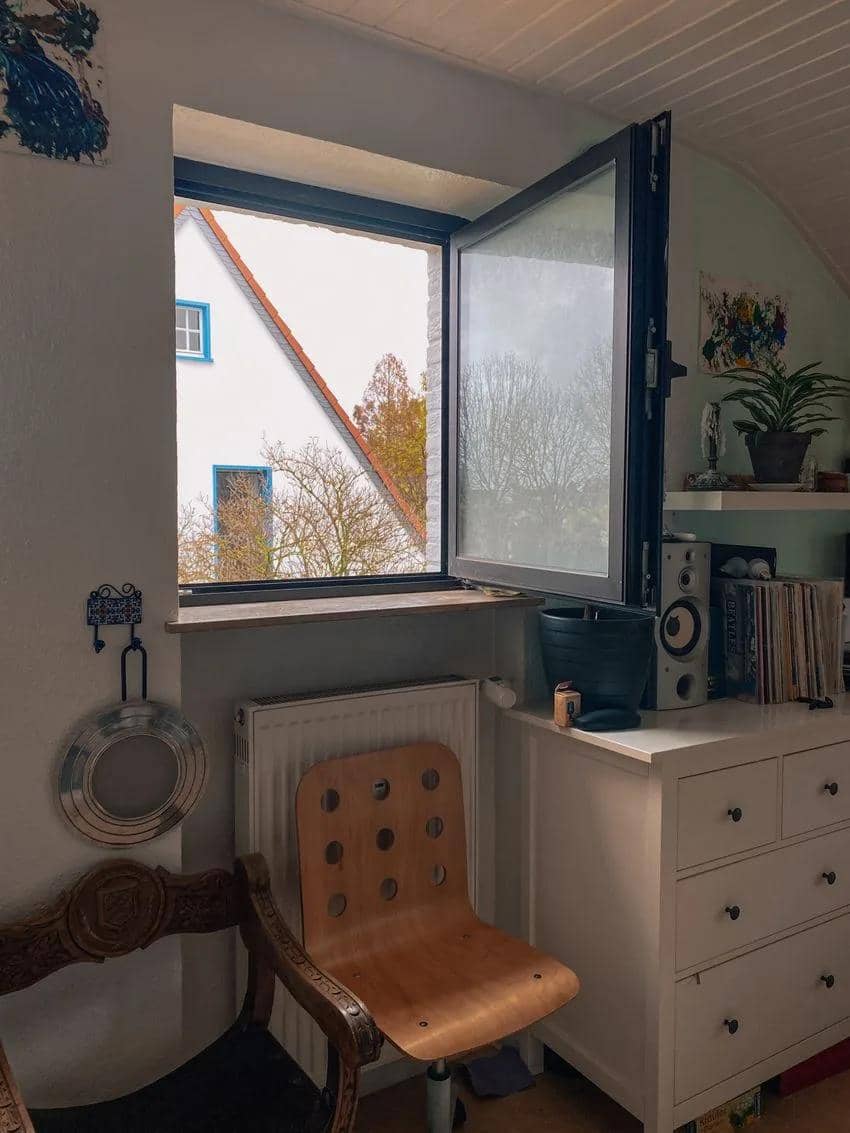
- Ensure excellent ventilation: Always open windows and run the bathroom extractor fan when cleaning. Even environmentally friendly products can release low levels of VOCs or fragrances that irritate sensitive people.
- Switch from sprays to liquids: To protect your lungs, avoid aerosols. Pour product directly onto a microfibre cloth or mop rather than spraying it into the air.
- Follow exact dilutions: More product does not mean a cleaner result. Excessive concentrate use leaves a sticky surface film, attracts more dust and increases chemical pollution in the home.
- Never mix products: Use products only as intended. When switching from a conventional chemical to an eco-friendly product, first wash the surface thoroughly with water alone to avoid reactions between old product residues and the new one.
- Look for certifications rather than advertising slogans: Trust labels such as EU Ecolabel rather than claims like 'Nature's scent' or '100% natural'.
Frequently asked questions (FAQ)
1. Are eco-friendly products weaker than conventional chemicals? No. Certified environmentally friendly cleaners undergo rigorous effectiveness testing. For everyday removal of grease, dust and stains, they perform just as well as traditional products, without pungent smells and toxic fumes.
2. Can I disinfect my home using only vinegar and bicarbonate of soda? Vinegar and bicarbonate of soda are excellent for limescale or light dirt, but they are not disinfectants. They cannot destroy dangerous pathogens or viruses. Genuine disinfection requires a registered product.
3. Why do I cough and get watery eyes while cleaning the bathroom? This is caused by volatile organic compounds (VOCs) and harsh chlorine or ammonia fumes in mainstream cleaning products. Sprays used in small windowless rooms make the problem worse. Switching to a liquid eco-friendly cleaner and running the extractor fan will resolve it.
4. Are environmentally friendly cleaners safe for people with asthma? They are a significantly safer choice than traditional chemicals because they do not contain strong respiratory irritants. Nevertheless, people with severe asthma should choose products without added fragrances, even essential oils, and avoid spraying them into the air.
Conclusion
The comparison between eco-friendly cleaning products and traditional chemicals is no longer merely a matter of personal preference: it rests on solid scientific and medical evidence. Traditional products carry proven risks to indoor air quality, respiratory health and aquatic ecosystems, particularly when overused or used incorrectly.
Certified environmentally friendly products, meanwhile, offer a sensible balance — they ensure excellent hygiene while protecting your family's health and the natural environment.
A professional approach to home cleaning requires more than changing the bottle beneath the sink: it requires different habits. Through proper ventilation, precise dilutions, microfibre cloths and sensible disinfectant use only where critically necessary, you create a truly clean, fresh and safe living environment. Choose quality, look for verified certifications and breathe easily at home.