The quality of the air we breathe is essential to our health and wellbeing. Yet we often overlook the fact that the air in our homes and offices can be significantly more polluted than outdoor air. According to research, indoor air can contain up to five times as many pollutants, which can lead to respiratory illnesses, allergies and even heart problems (Airius PureAir). Cleaning is one of the most important factors affecting indoor air quality. The right cleaning methods and products can remove pollutants and allergens, while poor practices can worsen the air by introducing chemicals and particles.
In this article, we will explore how cleaning affects air quality and how we can optimise our cleaning routines for a healthier environment. We will discuss the impact of cleaning products, the importance of regular cleaning, HVAC maintenance, humidity control and the role of professional cleaning. Our aim is to provide practical advice for improving the air you breathe and highlight how professional services can make a difference.
This information is particularly useful for homeowners and businesses wanting to provide a healthy environment for their families or employees. By taking a mindful approach to cleaning, we can reduce the risks of polluted air and improve quality of life.
The impact of cleaning products on air quality
Conventional cleaning products often contain chemicals that can harm air quality. These substances, including toxic compounds and carcinogens, are released into the air during cleaning and can remain indoors long afterwards. For example, synthetic air fresheners contain volatile organic compounds that can cause respiratory irritation and allergies. Prolonged exposure to such chemicals can lead to more serious health problems, particularly in people sensitive to pollutants.
To avoid these risks, more and more people are turning to natural cleaning products. These products, often based on plant ingredients, are effective without polluting the air. For example, natural laundry soaps and plant-based disinfectants can clean effectively without leaving harmful residues. Switching to such products not only improves air quality but is also safer for children, pets and people with allergies. Many of these products are also biodegradable, making them environmentally sustainable.
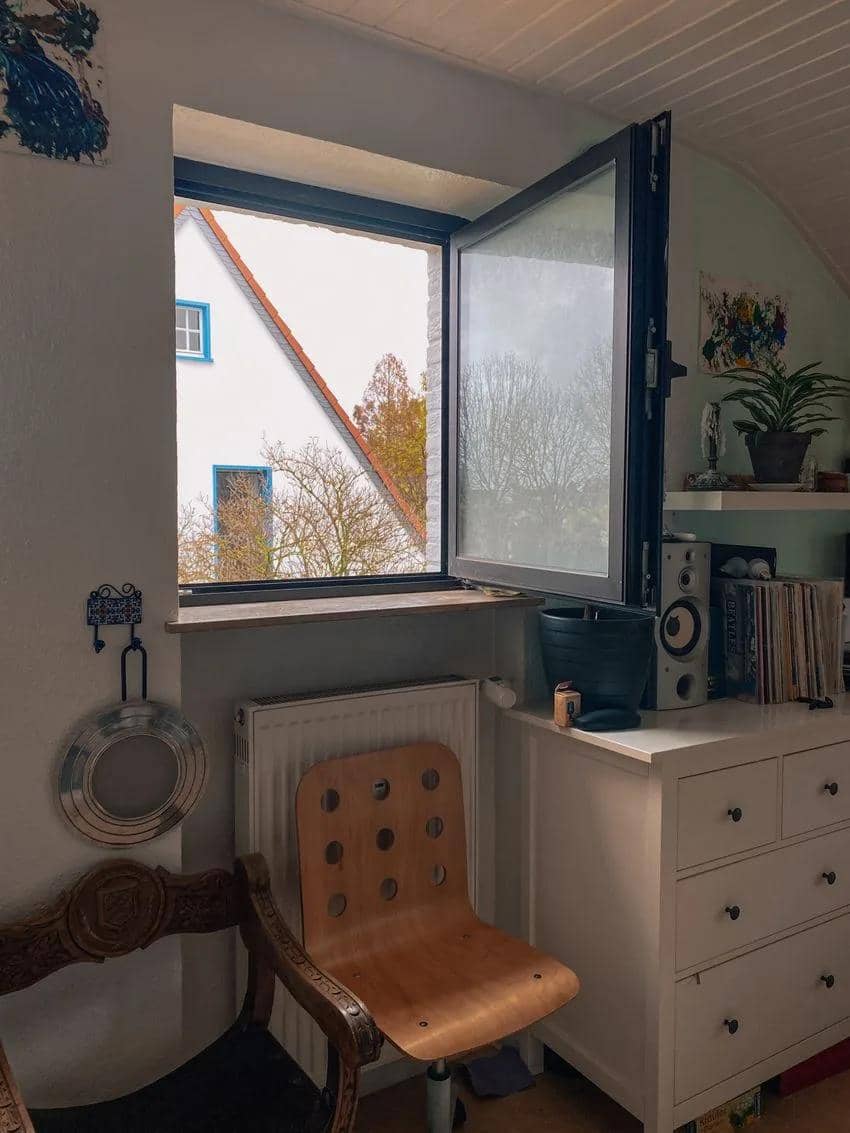
Choosing natural cleaning products is an easy way to reduce air pollution in your home. For example, instead of synthetic fresheners, you can use essential oil diffusers or simply open windows for natural ventilation. These small changes can have a major impact on health and comfort in your space.
Regular cleaning routines for better air quality
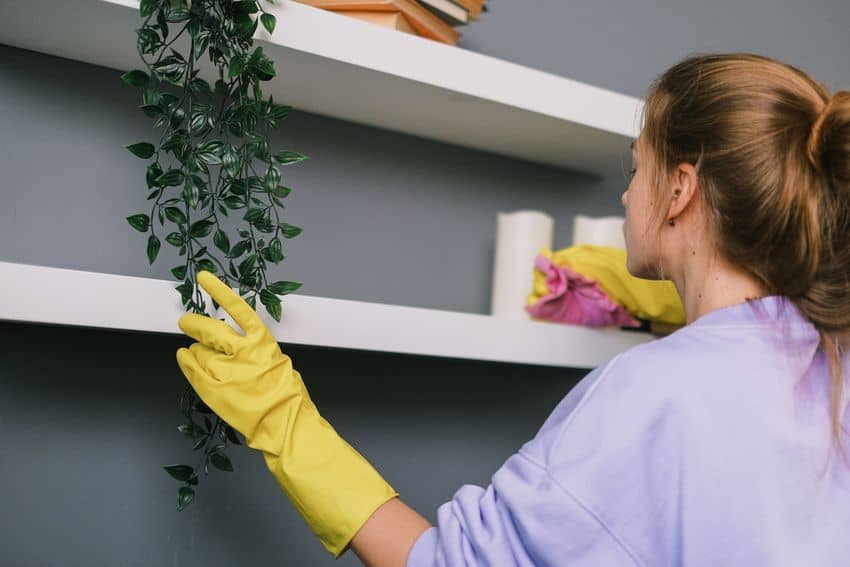
Regular cleaning is essential for maintaining good air quality. Removing dust, feathers, pollen and mould spores reduces allergens and pollutants that can cause health problems. Vacuuming at least once a week is recommended, and even more often in homes with pets or in dusty areas. Using vacuum cleaners with HEPA filters significantly improves the removal of fine airborne particles.
Different rooms require specific cleaning approaches to tackle their particular pollutants. For example, in bedrooms, regularly washing bedding in hot water every fortnight and cleaning the mattress every 6–12 months reduces dust mites. In kitchens, using extractor fans while cooking and regularly cleaning filters prevents grease and particles from building up. In bathrooms, running extractor fans during showers and using natural cleaning products helps control humidity and chemical pollutants.
In garages, it is also important to store chemicals such as paints, solvents and pesticides in tightly sealed containers and use them outdoors whenever possible. These measures prevent air pollution and maintain a healthy environment. Regular cleaning of these areas ensures that the air remains clean and safe to breathe.
HVAC system maintenance
Heating, ventilation and air conditioning (HVAC) systems play a key role in maintaining good air quality. These systems filter the air, removing dust, allergens and other particles. Regular replacement of HVAC filters is essential because clogged filters reduce system efficiency. Replacing filters at least monthly is recommended, using high-quality filters in line with the manufacturer's recommendations.
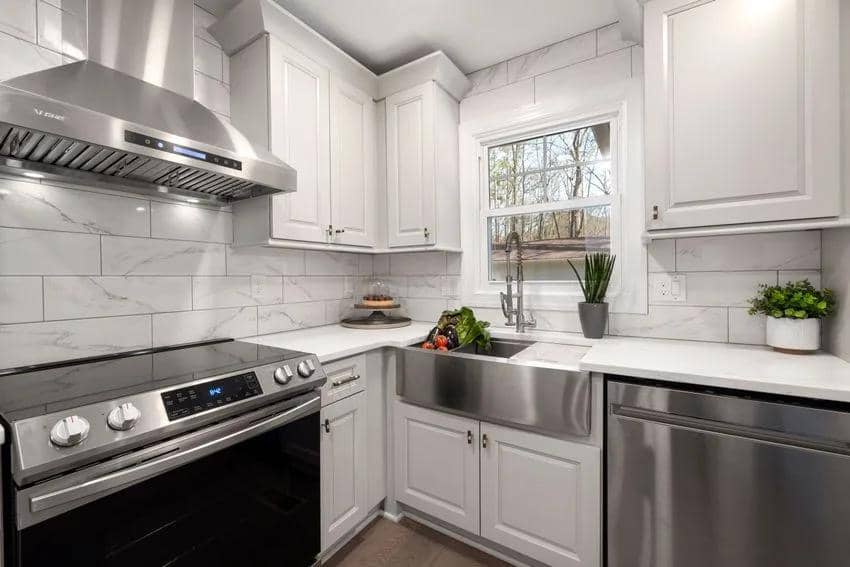
Using extractor fans in kitchens and bathrooms is another important aspect of improving air quality. These fans remove excess moisture, gases and particles generated during cooking or showering. Regularly cleaning the fans and their filters ensures efficiency and prevents pollutants from accumulating. In the kitchen, for example, the extractor can remove cooking smoke and odours that would otherwise pollute the air.
Using air-cleaning devices, such as mechanical HEPA filters or UVGI purifiers, can also improve air quality. These devices are particularly useful in homes or offices with high pollution levels. Regular HVAC maintenance and the use of appropriate filters and extractor fans are essential for a healthy indoor environment.
Humidity control and cleaning
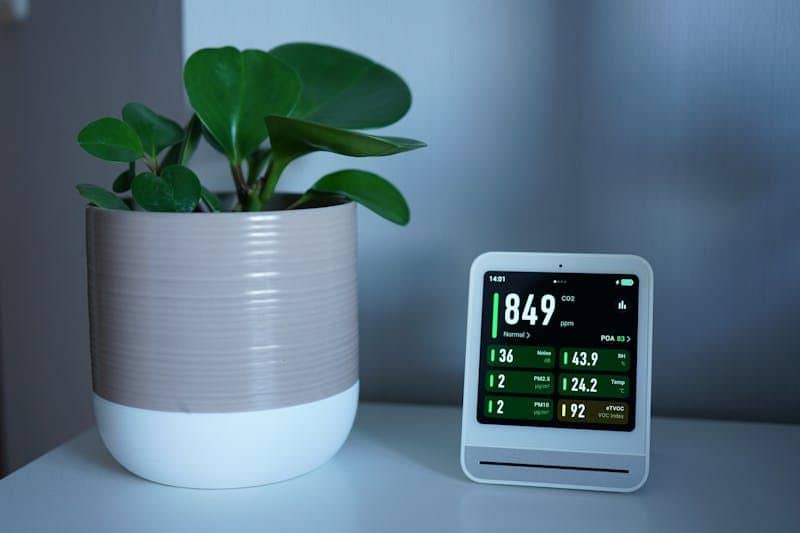
Maintaining suitable indoor humidity is critical to preventing mould and dust mite growth, which can worsen air quality. Ideal humidity is between 30 and 50%. Excessively high humidity encourages mould, while excessively low humidity can irritate the respiratory tract. Regular cleaning of high-humidity areas, such as bathrooms and kitchens, is essential to prevent these problems.
Using dehumidifiers in damp rooms can help maintain optimal humidity levels. In dry climates, humidifiers add moisture, but levels should be monitored with a hygrometer to avoid excessive humidity. Regularly airing the home by opening windows also helps regulate humidity and improve air quality by allowing fresh air to replace stale air.
Cleaning plays an important role in humidity control. For example, regularly cleaning bathroom surfaces with natural products prevents mould build-up. Keeping kitchen and bathroom extractor fans and filters clean also helps remove moisture efficiently, contributing to cleaner air.
The role of professional cleaning services
Professional cleaning offers benefits beyond the capabilities of household cleaning. Professional services use specialist equipment, such as HEPA-filter vacuum cleaners and deep carpet cleaning machines, to remove pollutants effectively and improve air quality. These services are particularly useful for deep cleaning hard-to-reach areas, such as HVAC systems and upholstery.
For businesses, regular maintenance contracts ensure a clean, healthy working environment, which can increase employee productivity and satisfaction. Professional cleaning can be tailored to office needs, focusing on high-traffic areas or specific pollutants. This ensures air quality remains high, which is particularly important in enclosed spaces occupied by many people.
Professional cleaners are trained to use environmentally friendly products and best practices that minimise air pollution. They can also offer advice on maintaining clean air between visits by recommending suitable natural cleaning products and routines. This makes professional services a valuable partner in maintaining a healthy environment.
Conclusion
Cleaning is a fundamental part of maintaining good air quality in homes and offices. Choosing natural cleaning products, regularly removing dust, maintaining HVAC systems and controlling humidity are essential for reducing pollutants and improving health. Professional cleaning offers additional benefits, such as the use of specialist equipment and tailored solutions that provide a higher level of cleanliness and a healthy environment.
Investing in the right cleaning practices and services not only improves air quality but also contributes to a healthier, more comfortable life. As technology advances and attention to environmentally friendly solutions grows, the future of cleaning promises even more effective ways to maintain clean air. By staying informed and applying best practices, we can create spaces that support everyone's health and wellbeing.