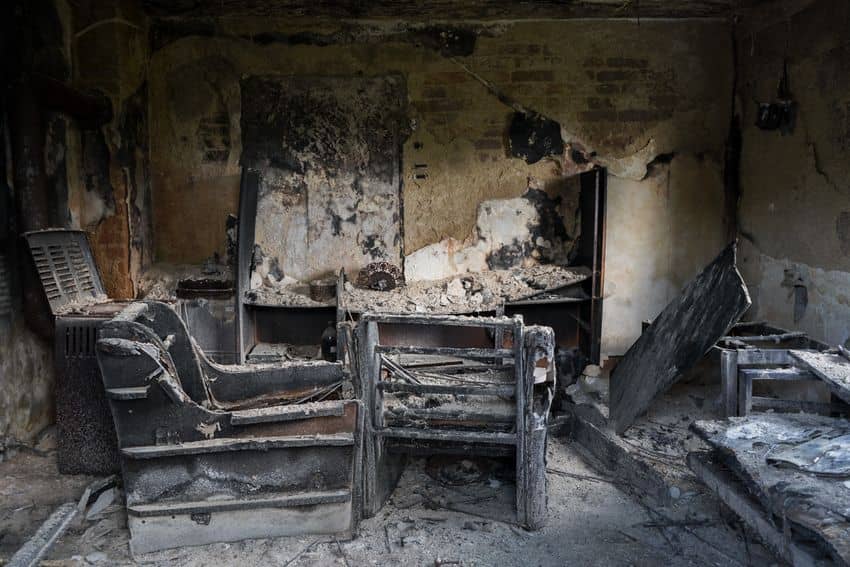
A house fire is one of the most traumatic events a family can experience. Once the flames have been extinguished, the long and complex restoration process begins. Cleaning your home after a fire is far from an ordinary household chore — it is a multi-stage process requiring an assessment of structural safety, air quality management, soot and ash removal, and dealing with damage caused by the water and chemicals used by firefighters.
Strict protocols must be followed to restore normal hygiene and safety in the property. Leading health and fire safety institutions worldwide strongly advise that the process should begin only after official authorisation from the authorities. In many cases, because the contamination is so complex, hiring a professional cleaning company is the best solution.
In this article, we will examine in detail all the scientifically grounded steps, best practices and common mistakes involved in comprehensive restoration and deep cleaning of a home after a fire.
First steps: safety, inspection and coordination
Before reaching for a bucket and cloth, it is critical to safeguard your physical and financial wellbeing. Enthusiasm for cleaning the home quickly must never take precedence over safety measures.
Structural safety and utilities
According to safety experts, you must never enter a building after a fire until the fire service confirms that it is safe. Even apparently minor fires can weaken load-bearing beams, melt electrical wiring and compromise flooring.
- Electricity and gas: Do not attempt to turn the electricity or gas back on yourself. This must only be done by qualified technicians, as there is a very high risk of a short circuit or explosion.
- Plumbing systems: Mains water may be contaminated. Before use, the systems must be thoroughly flushed.
Insurance and documentation
Contact your insurer as soon as possible. Before starting any deep cleaning, document the damage with detailed photographs and video. Keep all receipts for restoration-related expenses — from cleaning products and materials to invoices from cleaning companies and temporary accommodation.
The nature of the contamination: soot, ash and water
To choose the right cleaning methods, you need to understand exactly what you are removing. Fire residues are a complex chemical mixture that poses serious health risks.
Soot and fine particulate matter
Soot is not just dust. It consists of fine carbon particles coated with organic compounds, acids and metals. It clings to walls, ceilings and furniture as a greasy film. Soot can corrode metal surfaces within just 24 hours and penetrate deep into textiles. Its small particle size allows it to enter the lungs easily, causing respiratory problems.
Ash
Ash consists mainly of mineral residues (calcium, potassium and silicates). It is highly irritating to the skin, eyes and respiratory tract. The main rule with ash is to control it through wet cleaning so that it does not become airborne.
Water damage
Firefighters may use thousands of litres of water to extinguish a fire. This water soaks into plasterboard, insulation and carpets. Unless dried quickly, it creates an ideal environment for mould and mildew, leading to secondary structural and health problems.
Health and safety: personal protective equipment
Dealing with the aftermath of a fire requires strict compliance with occupational health and hygiene rules.
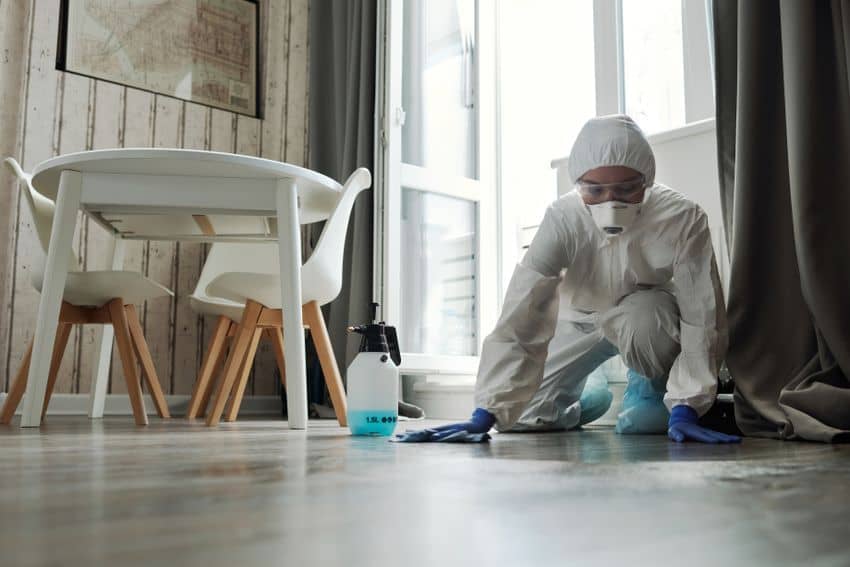
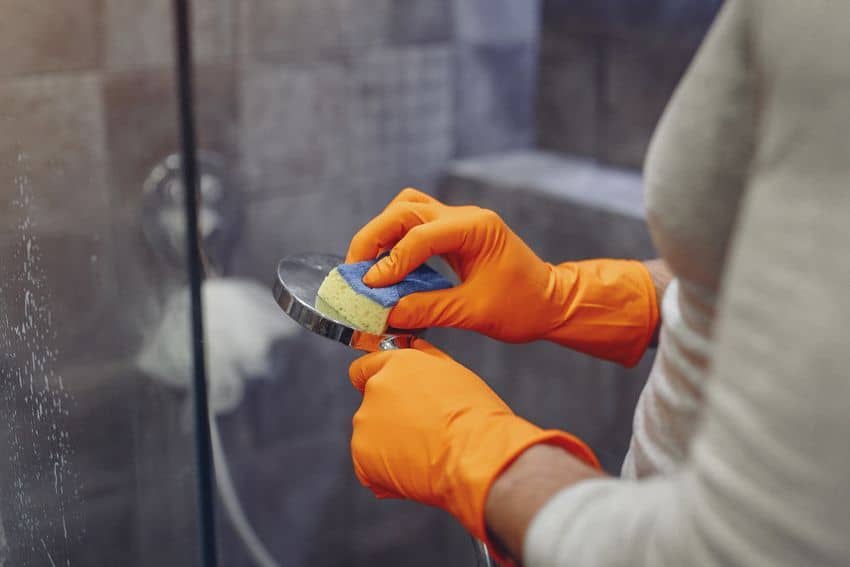
- Wear the right equipment (PPE): Always use a close-fitting N95 mask (or a higher-grade respirator), safety goggles, rubber gloves, long-sleeved tops and enclosed shoes.
- Protect vulnerable groups: Children, older people, pregnant women and people with chronic lung or heart conditions (such as asthma) must not take part in the cleaning.
- Pets: Keep animals away from the contaminated area. They can easily inhale ash or lick their contaminated paws.
Best practices for cleaning your home after a fire
Successful restoration requires a systematic approach, starting with the air and extending to the smallest furnishing details.
1. Managing air and ventilation
Improving air quality is the number one priority.
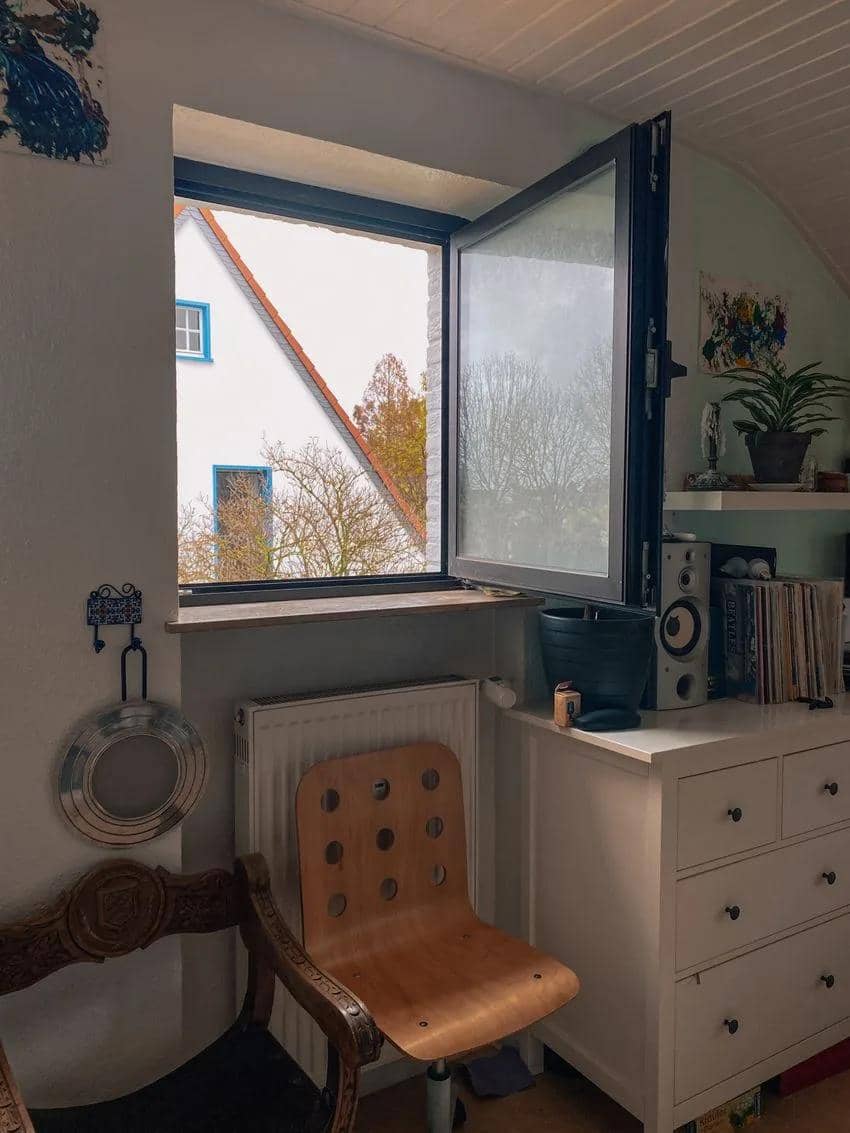
- Ventilation: Open windows to let in fresh air, but only if outdoor air quality is good (particularly important after wildfires).
- Air purifiers: Use portable purifiers equipped with both a HEPA filter (to capture fine particulate matter) and an activated carbon filter (to absorb volatile organic compounds and smoke odours).
- HVAC systems: As for cleaning frequency during restoration, replace air conditioning and ventilation system filters (preferably MERV 11 or 12) every month until the smoke smell has completely disappeared. Ductwork often requires specialist cleaning because it retains soot.
2. Cleaning hard surfaces, walls and ceilings
The key word here is “wet”. Dry sweeping is strictly prohibited because it releases toxic dust back into the air.
- Walls and ceilings: Wash walls with a mild cleaning product, starting at floor level and working upwards towards the ceiling. This prevents dirty water from running down and causing stains that cannot be removed.
- Hard floors: Use a mop and change the water extremely frequently to avoid spreading soot around.
- Heavy contamination: To remove stubborn soot from walls, experts sometimes recommend a trisodium phosphate (TSP) solution. Warning: This is a strong alkaline cleaning product — you must wear gloves and follow the manufacturer's exact recommended dilution ratios.
3. Upholstery, textiles and carpets
Porous materials retain the most odours and are the hardest to salvage.
- Vacuum cleaners: Use only vacuum cleaners with a high-quality HEPA filter. Avoid rotating brush attachments (beater bars), as they drive soot even deeper into the fibres.
- Washing: Clothes and curtains may need several wash cycles. Soaking in warm water with dishwasher detergent before the main wash can help break down greasy soot.
- Carpets: Heavily flooded carpets often need to be discarded to save the wooden floor beneath them and prevent mould. If they have only been exposed to smoke, they require deep steam cleaning (extraction), often carried out in two stages — before and after building repairs.
4. Outdoor areas and environmental safety
Do not forget the façade, paths and roof. Outdoor ash can easily be brought back inside. Wash exterior walls, verandas and even cars with a hose or pressure washer. Collect accumulated wet ash in rubbish bags rather than washing it directly into street drains, to avoid environmental pollution.
Common mistakes to avoid
Many homeowners, driven by the desire to restore their homes quickly, make serious mistakes:
Dry sweeping and ordinary vacuum cleaners: Using a broom or a vacuum cleaner without a HEPA filter simply disperses carcinogenic ash throughout the house.
Mixing chemicals: Never mix bleach with ammonia or acids (such as vinegar). In a sooty environment, harsh chemicals (including vinegar) can react unpredictably with fire residues.
Neglecting moisture: Focusing only on soot and ignoring wet walls and insulation guarantees black mould within a few weeks. Saturated plasterboard almost always needs replacing.
Rushing to paint: If you paint the walls before fully removing soot and the smoke smell, you will simply seal the odour inside.
When should you hire a professional cleaning company?
While homeowners can deal with light dust or washing clothes, managing the consequences of an actual fire usually requires professional intervention.
Experts have specialist equipment unavailable to the ordinary consumer:
- Thermal fogging: A process in which odour-neutralising chemicals are dispersed as a warm fog, penetrating everywhere the smoke has reached.
- Ozone treatment: Controlled use of ozone generators in enclosed spaces to remove the strongest odours from furniture and belongings (carried out strictly without people or plants present).
- Industrial drying: Using powerful dehumidifiers and air movers to extract water quickly from the building's structure.
- Chemical sponges: Special dry sponges for removing soot from delicate surfaces where contact with water would cause smearing.
Professional deep cleaning ensures that invisible threats (such as hidden mould or toxic gases in ductwork) are completely eliminated.
Frequently asked questions (FAQ)
1. Can I use my household vacuum cleaner to remove ash? No. Ordinary vacuum cleaners do not have the necessary filters and will simply blow fine particles back into the air, which is dangerous to health. Use only industrial vacuum cleaners with a genuine HEPA filter and avoid brushes that drive soot in.
2. How can I get rid of a persistent smoke smell in the house? Ventilation alone is not enough. You need an air purifier with an activated carbon filter. All fabrics must also be washed, air conditioning ducts cleaned and all hard surfaces washed. Severe cases require professional treatment (thermal fogging).
3. How long after a fire is it safe to live in the home again? This depends on authorisation from the local fire service and structural engineers. Even after entry is permitted, if there is a strong smoke smell or extensive soot, sleeping in the property is not recommended until deep cleaning has been completed, particularly if you have children or respiratory conditions.
4. Should I replace flooded plasterboard or can I simply dry it? According to Red Cross guidance and restoration experts, plasterboard and insulation heavily saturated by water from fire hoses cannot be dried reliably without losing structural integrity and developing mould. Replacing them is the safest option.
Conclusion
Cleaning your home after a fire is a major challenge that requires patience, a methodical approach and a serious attitude to personal safety. From the initial inspection and moisture control to thorough soot removal with the right products and HEPA filtration, every step is crucial to the property's future hygiene.
Do not underestimate the health risks posed by fine particles and chemical residues. Do not hesitate to seek support from a professional cleaning and restoration company. With the right approach, expert knowledge and adherence to established standards, you can restore your home's shine, comfort and, above all, safety.