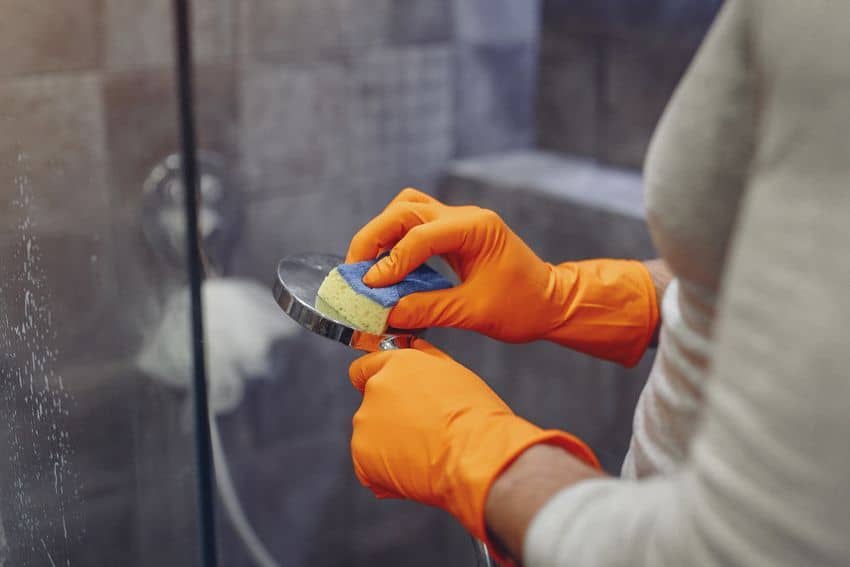
For many people, home is a safe haven, but for those with allergies it can be a source of constant discomfort. According to numerous international studies, allergic rhinitis affects almost one-fifth of adults worldwide. Indoor biological pollutants — such as dust mites, pet dander, mould and pollen — are all around us. Ordinary daily activities such as walking or vacuuming can easily release them into the air, triggering sneezing, coughing, eye irritation and even asthma attacks.
The key to a healthy environment is not haphazard surface scrubbing but strategic, seasonal home cleaning. Effective allergen management means aligning your cleaning habits with nature's annual cycles — from spring pollen to winter damp.
This guide brings together the latest recommendations from leading health organisations and air quality experts to offer a comprehensive framework for deep cleaning. The aim is to reduce allergens, improve your family's quality of life and maintain impeccable hygiene throughout the year.
How seasons affect allergens in your home
The interaction between outdoor and indoor allergens is dynamic and changes with the seasons. To be effective, your cleaning plan must adapt to these changes.
Spring and early summer: pollen and rising humidity
Spring is traditionally the season for tree and grass pollen. It enters through open windows, clings to clothes, hair and pets' fur, then mixes with household dust. As temperatures rise towards summer, air humidity increases too. This creates ideal conditions for dust mites to multiply and mould to grow, particularly in bathrooms and kitchens.
Autumn: weeds, outdoor mould and turning on the heating
Autumn brings weed pollen and outdoor moulds growing in decaying leaves. These allergens are easily carried indoors on shoes. Switching on heating systems in autumn can also spread accumulated dust and allergens through vents throughout the home.
Winter: indoor allergens dominate
In winter, windows are closed, natural ventilation decreases and people spend much more time indoors. Exposure to dust mites and pet dander peaks during this period. Moisture retained from cooking and bathing in cold weather further encourages mould growth.
Proven strategies for tackling the main allergens
Expert advice centres on three main pillars: source control, good ventilation and effective air filtration.
Controlling dust mites
Dust mites are microscopic organisms that thrive in textiles such as mattresses, pillows and carpets, feeding on dead skin cells. They favour warm, humid conditions.
- Correct washing: All dust mites die when washed at 55°C to 60°C. Lower-temperature washing may remove some allergens but does not kill the mites themselves. Cleaning frequency is critical — wash bedding every week.
- Anti-allergy covers: Invest in tightly woven, zipped mattress and pillow covers. They physically block your exposure to mites and their waste.
- Humidity management: Keep relative indoor humidity between 30% and 50%. Use a dehumidifier if necessary.
- Floor coverings: Where possible, remove thick wall-to-wall carpeting, especially in bedrooms and on ground floors.
Managing pet dander
Contrary to popular myths, there are no completely 'hypoallergenic' dog or cat breeds. Allergens are proteins in their saliva, dander or dead skin cells, and urine, rather than in the fur itself.
- Restrict access: Keep pets out of bedrooms. Close the doors when you are away.
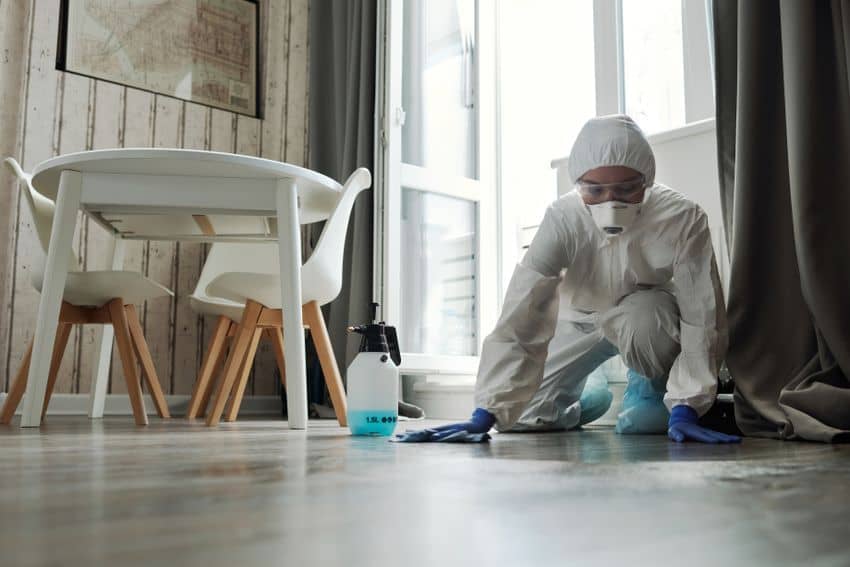
- Careful vacuuming: HEPA vacuum cleaners are excellent at retaining allergens. However, vacuuming itself lifts surface dust into the air. If you have severe allergies, wear a mask, such as an N95, while cleaning or ask someone else to do it.
- Regular bathing: Bathe pets and wash their bedding regularly to reduce dander accumulation.
Tackling mould and moisture
Mould releases spores that strongly irritate the airways. Preventing it requires moisture control.
- Respond quickly to leaks: According to health authorities, materials left wet for 24–48 hours have a very high chance of developing mould. Dry them immediately.
- Ventilation: Always use a cooker hood when cooking and an extractor fan when bathing. Make sure your tumble dryer's exhaust vents outdoors.
- Safe cleaning: If you already have mould over small areas, such as in the bathroom, you can clean it with a solution of no more than 1 cup of bleach in approximately 4 litres, or 1 gallon, of water. Never mix bleach with ammonia or other cleaning products, as this creates highly toxic gases.
Keeping pollen out
When outdoor pollen levels are high, as indicated by local forecasts:
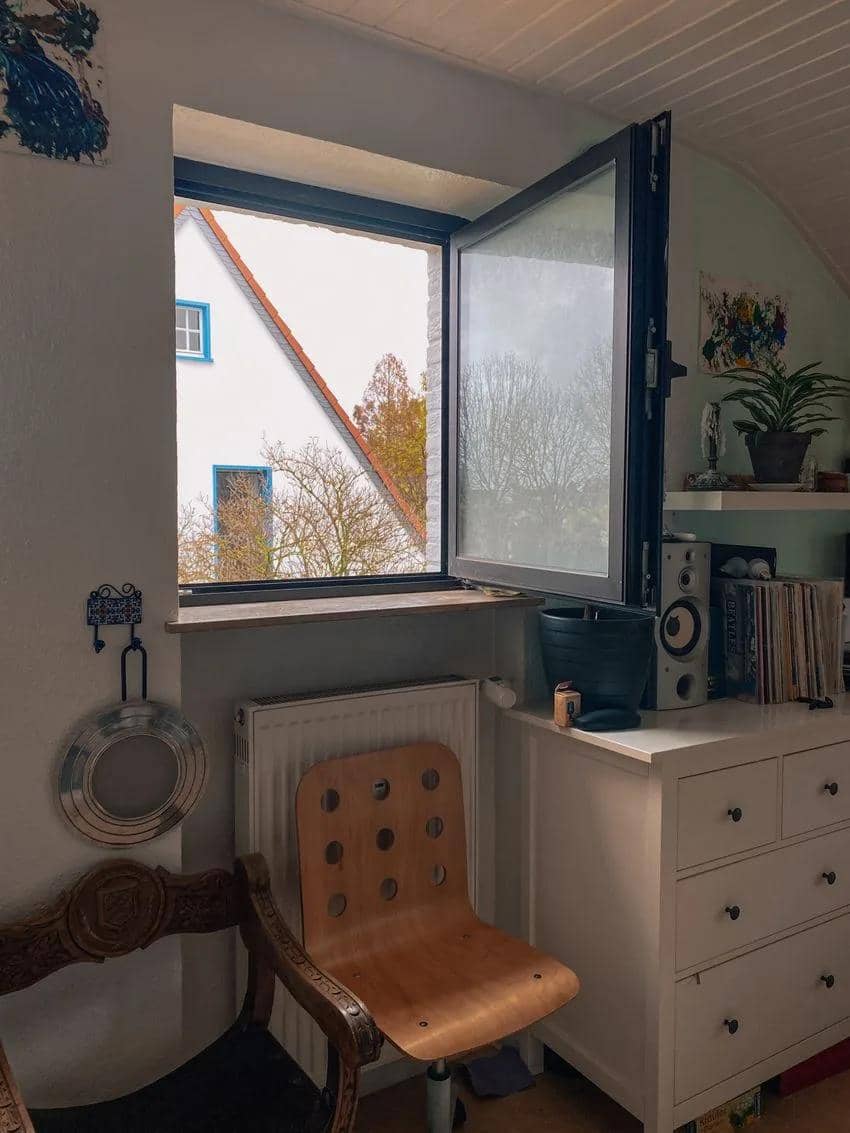
- Keep windows closed and run air conditioning in 'recirculation' mode.
- Change your clothes and shower immediately after coming home.
- Do not dry washing outdoors, as pollen will cling to it.
A room-by-room seasonal deep-cleaning plan
Organise your routine around the specific needs of each room.
The bedroom: the most important area
As we spend about one-third of our lives asleep, the bedroom is critical for people with asthma and allergies.
- Weekly: Wash sheets and pillowcases at a minimum of 55–60°C. Vacuum the mattress and floor.
- Seasonally: Wash pillows and duvets every few months. Replace heavy curtains with easily washable ones or wipe-clean blinds. Remove unnecessary belongings and ornaments that collect dust.
Bathroom and kitchen: moisture hotspots
These rooms generate the most moisture in the home.
- Weekly: Wash bath mats at high temperatures. Remove hair and debris that retain water from drains.
- Seasonally: Check grout, seals around sinks and shower silicone for early signs of mould. Wash or replace the shower curtain. Clean cooker hood filters.
The living room: textiles and pets
The place where family and pets gather quickly becomes a dust reservoir.
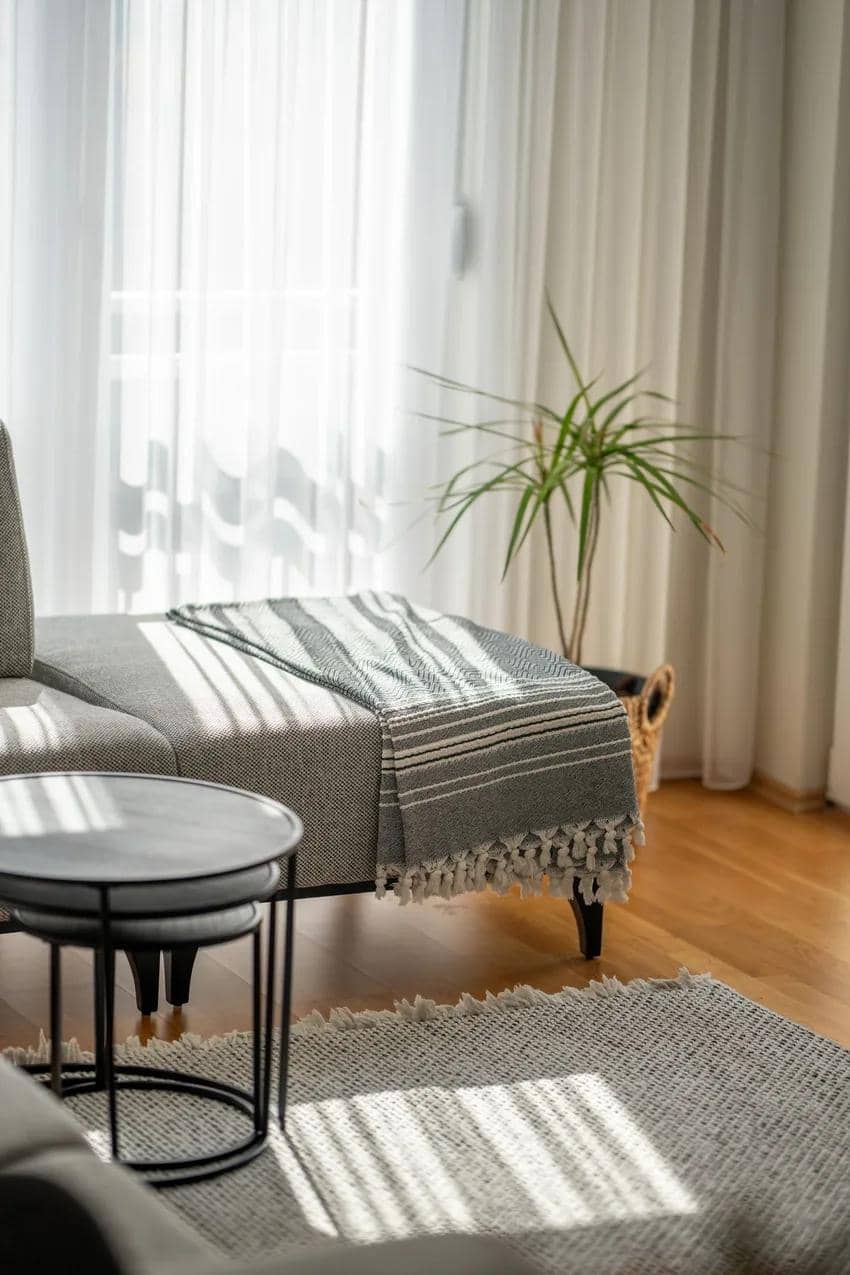
- Weekly: Vacuum sofas, especially fabric-covered ones, and carpets. Dust with a slightly damp microfibre cloth to avoid spreading particles through the air.
- Seasonally: Wash decorative cushions and blankets. If possible, avoid fabric upholstery and choose leather or other easy-clean materials.
Hallway and entrance: stop dust at the door
This is your home's first line of defence.
- Weekly: Shake out and clean the outside and inside doormats. Wash the floor with a damp mop.
- A permanent rule: Remove shoes immediately on entering. Wipe pets' paws after walks to keep pollen, mud and mould spores out.
Common cleaning mistakes
Even with the best intentions, some mistakes can undermine your efforts:
Relying solely on an air purifier: Room HEPA filters are an excellent addition, but cannot remove mites from your mattress or mould from your bathroom. Source control must always come first.
Low-temperature washing: Eco programmes at 30°C or 40°C are good for clothes, but insufficient for bedding if you want to eliminate dust mites.
Keeping carpets in damp rooms: Laying carpets over concrete basement floors or directly in bathrooms guarantees mould growth and dust mite colonies.
Incorrect vacuum cleaner use: Opening windows while vacuuming during pollen season brings pollen inside. Also, without a mask, you risk inhaling fine dust that the machine lifts into the air as it moves over the carpet.
Frequently asked questions (FAQ)
1. How often should I wash bedding to remove allergens? Experts recommend washing bedding, including sheets, pillowcases and duvet covers, once a week at a minimum of 55°C to 60°C. This is the proven temperature range that kills dust mites.
2. Is buying an air purifier enough to stop my allergies? No. HEPA air purifiers help capture airborne particles but cannot replace regular cleaning. The most effective strategy combines source removal, such as washing and mould cleaning, with good ventilation and filtration.
3. Why do my symptoms worsen while I clean my home? Activities such as dusting, sweeping and vacuuming physically lift settled allergens back into the air. To protect yourself, use slightly damp dusting cloths, wear a protective mask and leave the room for a few hours after cleaning.
4. What is the optimal humidity for my home? Health agencies recommend maintaining relative humidity between 30% and 50%. Humidity above 60% creates perfect conditions for rapid dust mite reproduction and mould growth.
5. Is it true that short-haired dogs do not cause allergies? This is a myth. Allergic reactions are caused not by fur itself but by proteins in animals' saliva, dander or dead skin, and urine. All dog and cat breeds produce these proteins.
Conclusion
Tackling indoor allergens is not a one-off task but a year-round process requiring an understanding of your home's microenvironment. By applying seasonally appropriate strategies — from rigorous high-temperature washing and moisture management to stopping pollen at the door — you can dramatically reduce allergy symptoms.
Maintaining such high hygiene standards requires time, discipline and knowledge of the right products and techniques. To ensure your home is truly protected, investing in professional deep cleaning with specialist equipment, such as powerful HEPA systems and professional steam cleaners, before severe allergy seasons begin is a sensible decision. It will create a safe, healthy, fresh environment where you and your family can breathe easily.