Preparing a property for guests through platforms such as Airbnb or other short-term rental websites involves much more than superficial tidying. At its heart, it is a risk-management and quality-assurance process that must combine modern health guidance, hospitality industry standards and impeccable hygiene.
Today's guests expect an experience comparable to a luxury hotel — the home should look 'like new', smell fresh and pose no health risks. Meanwhile, professional home cleaning between bookings requires a structured workflow, beginning with dirt removal, continuing with targeted disinfection of frequently touched surfaces and ending with safe handling of textiles.
In this article, we explore best practices based on guidance from the World Health Organization (WHO), the Centers for Disease Control and Prevention (CDC) and leading associations such as the American Hotel & Lodging Association (AHLA) and Vacation Rental Management Association (VRMA).
The difference between cleaning, sanitising and disinfection
To establish an appropriate cleaning protocol for your Airbnb property, it is essential to understand the differences between the three main terms defined by health authorities:
- Cleaning: The physical removal of dirt, dust, organic material and a large proportion of germs from surfaces using water, soap or detergents and mechanical scrubbing. Cleaning alone does not kill all pathogens, but dramatically reduces their numbers and prepares surfaces for subsequent steps.
- Sanitising: A process that reduces surface bacteria to levels considered safe under public health standards, often used in kitchens and dining areas.
- Disinfection: Using stronger chemical solutions, such as bleach or products registered by health authorities, to destroy a broad spectrum of pathogens on hard surfaces.
The golden rule: WHO and CDC firmly emphasise that surfaces must be cleaned before they are disinfected. Dirt, grease or food residues can block chemicals' action and make disinfection ineffective. Simply spraying a dirty worktop with disinfectant is not enough.
Step by step: a standard cleaning protocol between bookings
To ensure consistently high quality, introduce a standardised procedure or checklist to follow at every guest changeover.
1. Initial inspection and collecting textiles
On entering, the professional team's first step is to inspect for damage, forgotten belongings or unusually heavy soiling. Immediately afterwards, strip the beds. Collect dirty bed linen and towels carefully without shaking them, to avoid spreading dust and microorganisms into the air. Run the washing machine at the highest appropriate temperature indicated on fabric labels to eliminate bacteria.
2. Ventilating rooms
Good ventilation is crucial. Airbnb and health experts recommend opening windows and doors at the start of cleaning, weather permitting. This provides fresh air, removes stale odours and protects cleaners' lungs from chemical fumes.
3. Room-by-room cleaning, from top to bottom
Follow the principle of cleaning from the highest points towards the floor. Falling dust will then be collected during the final vacuuming and floor washing.
- Bedrooms and living room: Dust every surface — headboards, bedside tables, window ledges and shelves. Make sure no rubbish remains beneath furniture. Use a lint roller on upholstery to remove hair.
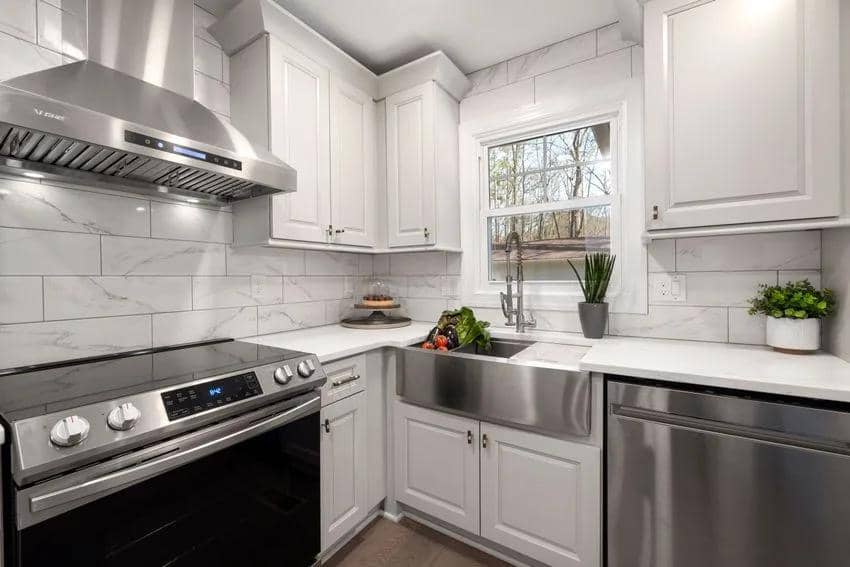
- Kitchen: Food safety is the focus here. Worktops, chopping boards, the inside of the sink and appliance handles should be washed with warm soapy water and then sanitised. Check the fridge for food left behind and clean it thoroughly.
- Bathroom: This is the highest-risk area. VRMA industry standards require bactericidal products. Wash soap deposits and organic marks from the toilet, basin, shower enclosure and bath, then disinfect them.
4. Disinfecting frequently touched surfaces
Once the home is thoroughly cleaned, move to targeted disinfection. Under hotel standards (AHLA), the following require treatment at every guest changeover:
- Door and window handles
- Light switches and thermostats
- Remote controls for televisions and air conditioning
- Handles on cupboards, fridges and microwaves
- Toilet flush buttons and tap handles
Important: For a disinfectant, such as a solution containing at least 70% alcohol, to work, it must remain on the surface for a specified 'contact time' — usually at least 1 minute before drying or being wiped away.
5. Floors and finishing touches
Clean floors last. Empty all bins and fit new liners. Make sure supplies such as toilet paper, hand soap, shower gel and washing-up liquid are replenished.
Common mistakes when preparing Airbnb properties
Even experienced hosts and cleaning companies sometimes make mistakes that can cost a property its perfect rating:
- Superficial cleaning: Ignoring hidden areas beneath beds, behind sofas or inside drawers is a sure way to disappoint guests. Leaving someone else's hair in the bathroom is the number-one complaint on rental platforms.
- Incorrect disinfectant use: Spraying disinfectant directly onto a dirty surface or wiping it away immediately defeats the purpose.
- Excessive perfume and air freshener use: Trying to 'mask' cigarette or mould smells with a strong air freshener often irritates guests, especially those with allergies. Strong scents suggest the source has not been cleaned. Odour control should involve removing dirt and thorough ventilation.
- Excessive spraying into the air: WHO firmly advises against widespread airborne spraying of disinfectants indoors. Applying them directly to surfaces with a cloth is safer and more effective.
Cleaning frequency: when and how often?
The most important home cleaning happens at 'turnover', or guest changeover. Under Airbnb's rules, the space must be thoroughly cleaned and disinfected between every guest, every time, whether the stay lasted one night or one month.
Unlike hotels, daily cleaning during an Airbnb guest's stay is not standard practice. However, if you offer longer-term rental and have agreed interim cleaning, focus on bathrooms, the kitchen, linen changes and frequently touched surfaces.
Safety and hygiene for cleaning staff
Professional cleaning involves strong chemicals such as degreasers, bleach and limescale removers. Health and occupational organisations highlight several critical safety rules:
Never mix chemicals: The most dangerous mistake is mixing bleach with ammonia or acidic products, releasing toxic, life-threatening gases.
Use personal protective equipment: Gloves, suitable closed shoes and, where needed, a protective mask are essential.
Hand hygiene: Staff should wash hands with soap and water for at least 20 seconds after removing gloves and when moving between areas to avoid cross-contamination.
Prepare solutions daily: Diluted bleach solutions lose effectiveness after 24 hours. Prepare them daily and store in opaque containers away from direct sunlight.
Frequently asked questions (FAQ)
1. How long does professional deep cleaning of an Airbnb property take? Time varies with the property's size and the condition in which it is left, but a standard one-bedroom flat usually takes between 2 and 4 hours. This includes time for washing, drying, thorough cleaning and final disinfection.
2. Do I need to disinfect absolutely every surface in the flat? No. CDC and WHO health experts advise cleaning the whole home with water and detergent, while reserving strong disinfectants for 'frequently touched surfaces', such as handles, switches and remote controls, and toilets and bathrooms. Excessive disinfectant use everywhere is unnecessary and can be harmful.
3. How do I deal with persistent odours from previous guests? Avoid strong air fresheners that merely mask the problem. Find the source — remove all rubbish, check drains, wash all textiles, including curtains and decorative cushions if needed, and ventilate thoroughly. Enzyme cleaners are effective against organic odours.
4. Do I need to wash mattress and pillow protectors after every guest? Yes. Although placed beneath sheets, protectors absorb sweat and can retain microorganisms. To maintain impeccable hygiene and extend mattress life, wash protectors at high temperatures after every booking.
Conclusion
Preparing a property for guests is more than cosmetic refreshing: it is a responsible process that safeguards visitors' health and your business's long-term success. Integrating scientific guidance on proper cleaning and disinfection with hotel quality standards gives you a competitive advantage.
Investing in professional home cleaning, following procedures strictly and attending to details — from a sparkling bathroom to a perfectly disinfected remote control — are the keys to those much-desired five-star guest reviews on every short-term rental platform.