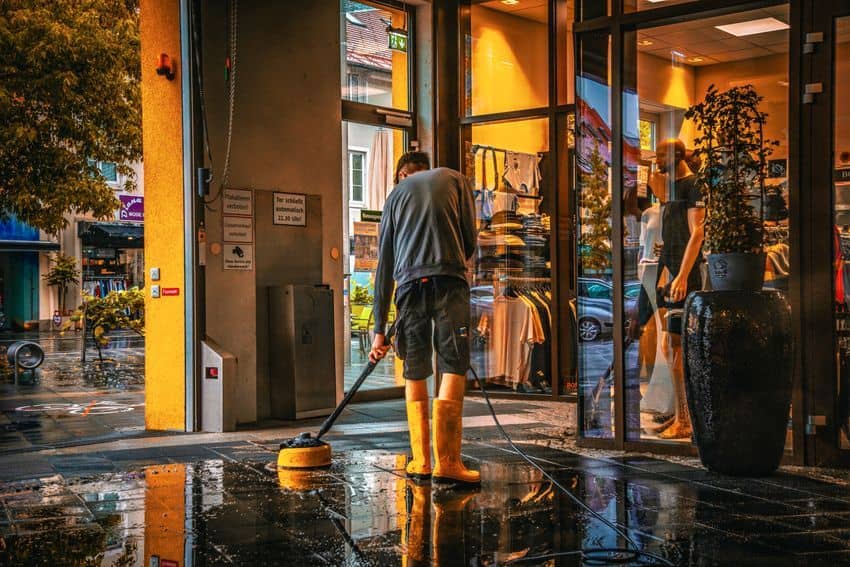
Regular professional cleaning in commercial premises delivers a comprehensive system of interconnected benefits. These range from infection prevention and a better customer experience to regulatory compliance, safety and preserving business assets. Retail shops, particularly those with high footfall or selling food, are centres of intensive contact. Surface condition, air quality and overall hygiene directly affect both health and commercial success.
Data from health agencies, safety regulators and retail studies demonstrate that consistent, properly managed cleaning regimes dramatically reduce the spread of germs and allergens. Meanwhile, consumer behaviour research highlights cleanliness as one of the strongest factors determining customer satisfaction, time spent in a shop and purchasing decisions.
In this article, we explore why regular cleaning is more than a cosmetic addition: it is a strategic investment in your business's performance, reputation and long-term protection.
Why is hygiene a key factor in your shop's success?
To understand the benefits, we must first define ‘regular cleaning’ in a retail context. Unlike sporadic or reactive cleaning, which occurs only when a problem is noticed, regular commercial cleaning is a planned, systematic series of tasks. These follow a predictable daily, weekly, monthly and seasonal schedule.
Health, safety and infection prevention
One of the most important advantages of regular cleaning is reducing surface pathogens. Commercial premises have many high-risk, frequently touched areas: door handles, shopping trolleys and baskets, payment terminals, lift buttons and fitting-room equipment.
Regular treatment with suitable products significantly lowers microbial load. This directly protects employees and customers against transmission of respiratory and gastrointestinal viruses. Professional teams know exactly when ordinary detergent washing is sufficient and when specialist disinfectants with the required contact time are needed, following health authority guidance.
Better air quality and fewer allergens
Dust, dirt and germs can accumulate on floors, shelves and in ventilation systems before foot traffic or air conditioning disperses them into the air. Professional cleaning, including regularly vacuuming fitted carpets, cleaning ventilation grilles and dusting high shelves, improves indoor air quality. This reduces the risk of respiratory irritation and allergic reactions.
How does cleanliness affect customer experience and sales?
Empirical research into shopper behaviour clearly demonstrates that shop cleanliness is a major driver of loyalty. Studies show that an overwhelming majority of grocery customers, 96%, rank cleanliness among their most important selection criteria.
Poor hygiene's negative impact is even more striking: around 70% of customers reporting a poor shopping experience complain about cleanliness, and two-thirds admit leaving premises because they were dirty or disorganised.
Dwell time and transaction value
Cleanliness directly affects consumer behaviour metrics. Clean floors and tidy shelves make customers comfortable and more likely to stay longer. Analyses indicate that even small increases in dwell time have disproportionately positive effects on sales. A 1% increase in time spent in a shop has been found to produce around 1.3% sales growth. A clean environment reduces customer stress and encourages impulse purchases.
Critical areas: toilets and fitting rooms
Some spaces have a disproportionately large influence on customer perceptions:
- Toilets: Over 50% of surveyed consumers say they are unlikely to return if a business's toilets are below standard. A dirty toilet can cause a customer to stop shopping immediately.
- Fitting rooms: In clothing shops, the final purchasing decision is often made in the fitting room. Comfort, privacy and cleanliness, including dust-free floors and clean mirrors, are key to completing a sale successfully.
Workplace safety: preventing accidents
Slips, trips and falls are among the most common causes of workplace accidents. According to occupational health and safety agencies, these incidents cause significant financial losses for employers and account for around 15% of all fatal workplace accidents.
Regular cleaning prevents these risks through:
- Immediate spill removal: Most slips occur on wet or dirty floors. A quick response to spilled liquid is critical.
- Controlling cleaning times: Professional companies know floors should be washed during quieter periods and wet areas physically cordoned off, because people often ignore warning signs.
- Removing clutter: Systematic cleaning ensures aisles are free from boxes, cables or rubbish that could cause trips.
Economic and operational benefits of shop cleaning
Reducing absence and increasing productivity
Investing in professional cleaning means investing in employees' health. Eliminating bacteria and viruses leads to fewer sick days. Surveys also show that 94% of employees feel more productive in a clean workspace. A well-maintained environment boosts morale, reduces stress and allows staff to focus on customer service rather than chaos.
Protecting assets and equipment
Accumulated dirt, dust and grit act like sandpaper on flooring, carpets and retail equipment. Regular deep cleaning, such as machine carpet cleaning, hard-floor polishing and cleaning air-conditioning filters, extends these expensive assets' lifespan. This delays costly repairs and replacement.
Best practices: how often should cleaning take place?
To be effective, hygiene should be managed through standardised task lists.
- Daily tasks: Sweep and wash entrances, particularly in bad weather; remove fingerprints from glass doors; disinfect payment terminals, trolleys and handles; empty rubbish; and regularly restock and clean toilets, every 30 to 60 minutes in busy premises.
- Weekly tasks: More thorough machine cleaning of hard floors, dusting the highest shelves, washing internal display windows, and disinfecting staff lockers and storage areas.
- Monthly tasks: deep cleaning: Thorough scrubbing of grout and tiles, extraction cleaning of soft floor coverings, cleaning ventilation grilles, and washing walls and skirting boards.
Common shop-cleaning mistakes
Relying only on appearance: A shop may look tidy while its surfaces teem with germs. Hygiene should be based on safety standards rather than visual judgement alone.
Mismanaging wet floors: Leaving a floor wet without a clear physical barrier, rather than only a sign, is a sure recipe for a slipping accident.
Using products incorrectly: Mixing chemicals, using incorrect concentrations or failing to observe disinfectant contact times makes cleaning ineffective and potentially hazardous to health.
Lack of trained staff: When cleaning is assigned to retail staff without the necessary training and equipment, results are always mediocre and cross-contamination risks increase.
Frequently asked questions (FAQ)
1. What is the difference between ordinary and professional shop cleaning? Ordinary cleaning is often reactive: wiping visible dust or collecting rubbish. Professional commercial cleaning follows strict procedures and uses specialist products suited to surface types and equipment to ensure visible cleanliness, deep hygiene, infection prevention and safety.
2. How often should commercial premises be deep cleaned? Alongside daily maintenance, professional deep cleaning, including machine cleaning of flooring and thorough toilet and ventilation cleaning, is recommended at least monthly. In premises with exceptionally high footfall, some processes may be needed fortnightly.
3. How does hygiene affect customer behaviour? Research shows cleanliness is a leading factor when choosing a shop. A clean environment reduces stress, keeps customers in the premises longer, directly increasing sales, and builds brand trust. Conversely, dirty fitting rooms or toilets cause over two-thirds of people to leave without buying.
4. Can an external cleaning company reduce my business costs? Yes. Hiring a professional cleaning company removes the need to buy and maintain expensive cleaning equipment yourself. Quality cleaning also extends the life of flooring and equipment, reduces employee sickness absence and protects the business against legal claims relating to workplace accidents, such as slips.
Conclusion
Regular professional commercial cleaning is far more than sweeping floors and wiping display windows. It is a strategic tool that protects people's health, ensures regulatory compliance and builds an impeccable brand reputation.
From preventing viruses spreading to creating a comfortable environment that encourages sales, investing in high hygiene standards pays for itself many times over. Entrusting this task to experts gives you peace of mind that your shop looks good and is entirely safe, welcoming and ready to receive loyal customers.