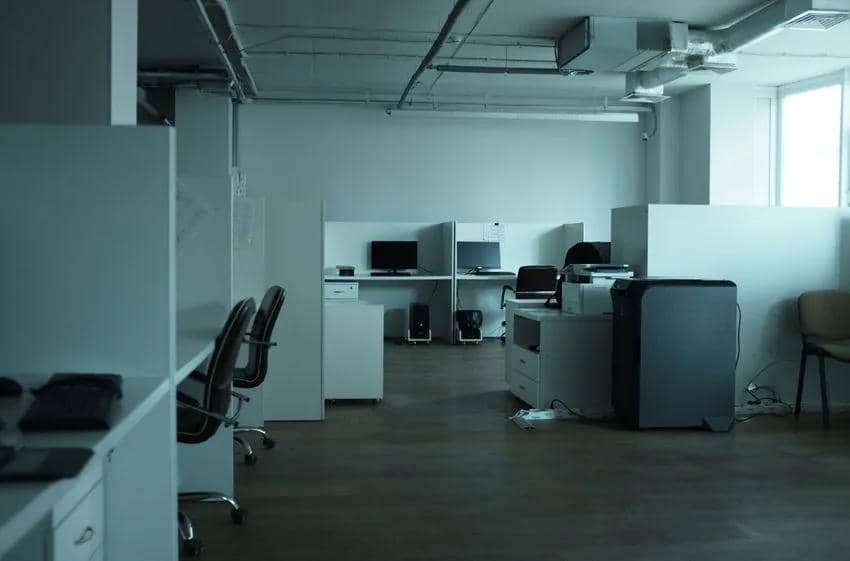
As the warmer months arrive, every workspace needs refreshing. For businesses in Burgas — from corporate offices and coworking spaces to commercial premises and professional service studios — spring cleaning is more than a tradition. It should be seen as a planned periodic reset of the working environment, rather than a substitute for daily maintenance.
Burgas's particular Black Sea climate, characterised by higher humidity, windblown fine sand and a relatively late, cool spring, requires a strategic approach. The ideal window for a thorough deep clean is after the active heating season ends, but just before intensive air conditioning use and peak summer traffic.
Since people spend approximately 90% of their time indoors, air quality, moisture control and preventing viruses from spreading are critically important to employees' health and productivity.
In this guide, we will explore step by step how to organise effective, safe spring cleaning for your business premises in line with European standards.
1. Preparing and planning the clean
Successful deep cleaning begins long before the first cleaning product is opened. Bulgarian legislation requires employers to assess workplace risks and provide safe working conditions — a process overseen by the General Labour Inspectorate.
Assessing the premises and risks
Before starting, inspect every room. Document (including with photographs) worn flooring, stains, unpleasant smells, signs of pests or blocked ventilation grilles.
Assess risks associated with chemicals, manual handling, working at height and wet floors. If using external contractors (a professional cleaning company), make sure their processes meet your internal safety rules.
Product inventory and communication
- Reviewing products: Dispose of expired or unlabelled products. Make sure all cleaning chemicals comply with EU REACH and CLP regulations. You must have up-to-date Safety Data Sheets (SDS) for every product.
- Informing the team: Let employees know the cleaning schedule. Ask them to put confidential documents and personal belongings away from their desks.
2. Spring cleaning checklist: from top to bottom
The golden rule in professional cleaning is to work systematically — from clean areas to dirty ones and from the highest point down to the floor. This prevents surfaces already cleaned from becoming contaminated again.
Decluttering
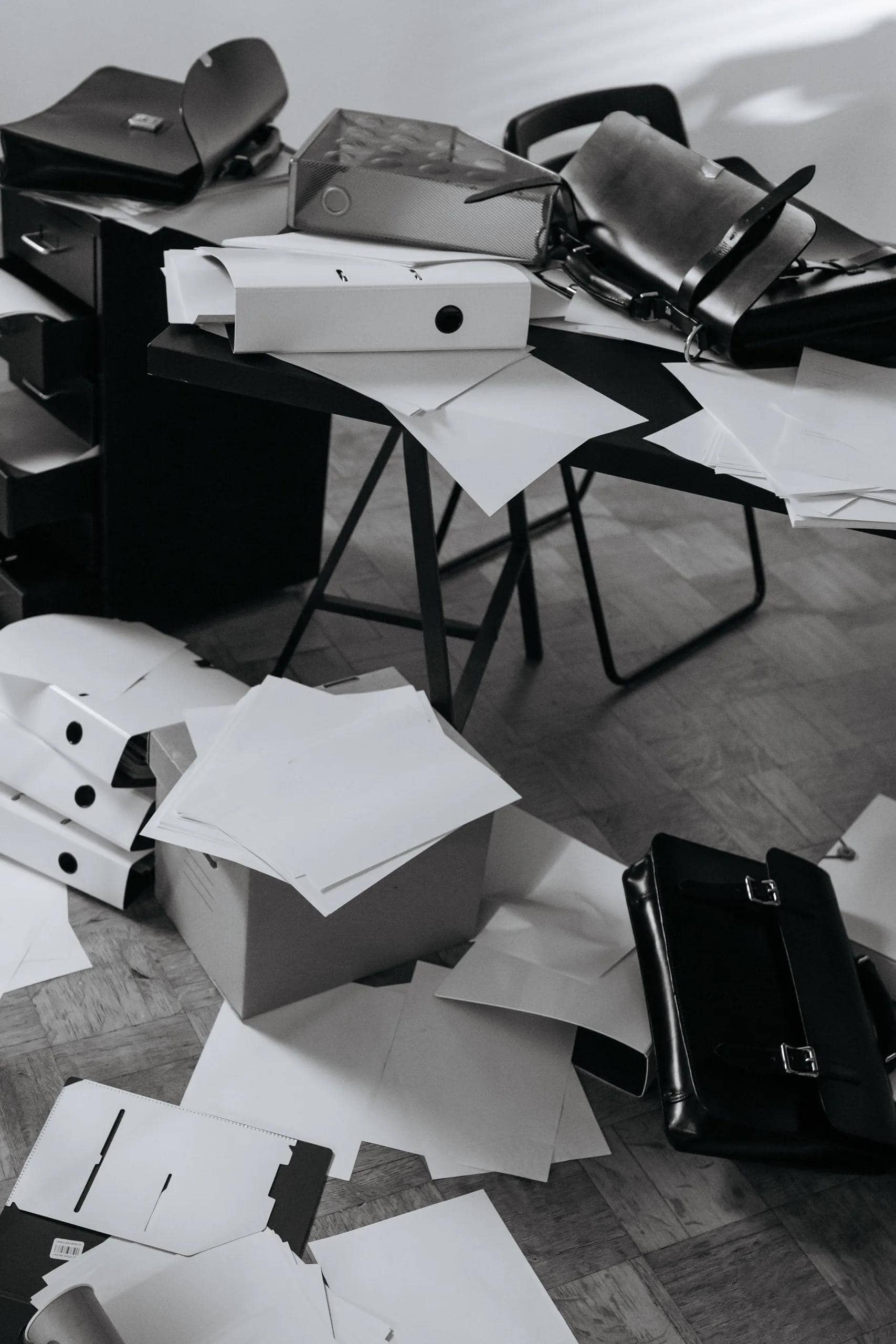
Before cleaning itself, organise the spaces. Sort documents and supplies. Clear escape routes and access to electrical panels, fire extinguishers and ventilation openings.
High surfaces and lighting
- Wipe dust from ceiling edges, exposed pipes, light fittings, high shelves and the tops of cupboards.
- Use telescopic tools instead of ladders wherever possible to minimise fall risks.
Walls, doors and windows
- Spot-clean washable walls, door frames, handles, light switches and radiator exteriors.
- Wash interior glass, frames, sills and accessible exterior windows. For exterior cleaning at height, always hire trained professionals equipped with telescopic pure-water systems.
- Check seals for condensation or leaks.
Workstations and equipment
- With the user's permission, clean desks, chair bases and cable channels.
- Carefully disinfect shared keyboards, mice, telephones and touchscreens with manufacturer-approved products. Important: Always unplug electronic devices before cleaning.
Ventilation and air quality (HVAC systems)
- Clean the external surfaces of intake and supply grilles.
- Check and replace filters according to the manufacturer's requirements.
- Note: The Environmental Protection Agency (EPA) does not recommend routine deep cleaning of ductwork unless there is visible evidence of contamination, mould or pests. Studies show that high CO₂ levels (exceeding the norm) slow employees' reaction times by up to 1.8%, so free air circulation is a priority.
Upholstery and carpets
- Vacuum carpets thoroughly, including edges and areas under movable furniture. Use vacuum cleaners with good filters to retain fine particulate matter.
- When machine-washing (extracting) carpets and upholstery, ensure rapid drying (within 24–48 hours) to prevent mould and unpleasant odours.
Hard flooring
- Clean floors last. Remove dry debris first, then use the right product for the flooring type.
- Physically restrict access to wet floors with barriers (rather than warning signs alone) until completely dry.
Entrances and contamination control
Dirt, sand and moisture should be stopped at the entrance.
- Clean the outdoor approaches to the office.
- Provide mats at every entrance. According to standards, they should be long enough to cover at least five full strides.
- Lift the mats and clean underneath them regularly.
Toilets and kitchens
- Remove limescale from basins and toilets.
- Clean fridges, microwaves and coffee machines in break areas.
- Discard spoiled food and make sure cleaning chemicals are stored away from eating areas.
3. The hygiene hierarchy: cleaning versus disinfection
One of the biggest misconceptions is that everything in the office needs constant disinfection. Use a risk-based approach:
- Clean first: Remove visible dirt with detergent (cleaning product) and mechanical action. Dirt blocks disinfectants from working.
- Disinfect only when needed: According to health authority guidance, routine cleaning is sufficient for most surfaces. Disinfection is needed in high-traffic areas (door handles, lift buttons, handrails and toilets) or after a confirmed illness.
- Observe contact time: If you spray disinfectant and immediately wipe it away with a dry cloth, it will not kill bacteria and viruses. The surface must remain wet for the time specified on the label (the contact time).
Under the EU Biocidal Products Regulation (BPR), every disinfectant must be authorised and contain approved active substances for its specific purpose (for example, PT2 for surfaces).
4. Controlling cross-contamination
To avoid transferring bacteria from the toilet to kitchen worktops or desks, introduce a colour-coding system for equipment. Although not legally mandatory in Bulgaria, the British NHS model is an excellent standard:
- Red: For sanitary areas (toilets and urinals).
- Green: For eating areas and kitchens.
- Blue: For general office areas, desks and corridors.
Use microfibre cloths — they capture considerably more dirt than cotton ones. Take care when washing them, however; chlorine and high-pH products can destroy the microfibre structure.
5. Occupational health and safety
Professional cleaning carries risks both for the team carrying it out and for the building's occupants.
- Chemical safety: Never mix bleach (hypochlorite) with ammonia, acids or toilet cleaners! This releases highly toxic gases. US studies show that around 12.4% of occupational asthma cases are associated with exposure to cleaning products. Use products with minimal volatile organic compound (VOC) emissions and ensure strong ventilation while working.
- Ergonomics: Between 30% and 40% of occupational illnesses among cleaners are musculoskeletal disorders. Limit lifting heavy buckets, and use trolleys and adjustable-length handles.
- Waste management: Electronic waste (WEEE), batteries, fluorescent lamps and chemical residues must not go into general rubbish. They require separate collection under European directives.
6. Common mistakes to avoid
- Treating spring cleaning as a substitute for everyday hygiene. Deep cleaning builds on regular care; it is no excuse for neglect at other times.
- Using the same mop throughout the office. This guarantees the spread of microorganisms.
- Dusting after washing floors. This causes dust to settle again and doubles the work.
- Painting over mould. Mould is a symptom of a moisture problem (a leak or poor ventilation). First remove the moisture source, then treat the area.
- Relying too heavily on air fresheners alone. A strong fragrance is not evidence of cleanliness and can trigger allergies among staff.
- Dry sweeping in occupied rooms. This simply raises fine dust into the air. Use damp wiping or a good-quality vacuum cleaner.
Frequently asked questions (FAQ)
1. How often should an office receive a deep clean?
Deep cleaning involving washing upholstery and carpets, cleaning high, inaccessible places and exterior windows is recommended at least 1–2 times a year (usually in spring and before winter). However, this depends on traffic through the premises; business buildings with heavy footfall may need it quarterly. Daily cleaning of high-touch areas should remain standard.
2. Do we need to disinfect every office surface?
No. Health experts advise a risk-based approach. For most office surfaces (such as walls, cupboards and floors), standard cleaning with water and detergent is entirely sufficient to remove dirt and germs. Disinfection is required for “critical points” (door handles, buttons and sanitary fittings) or a confirmed viral outbreak.
3. What are the EU requirements for cleaning products?
All chemicals must comply with REACH and CLP regulations, meaning correct labelling with hazard pictograms. Disinfectants must be registered under the Biocidal Products Regulation (BPR) and approved for their particular use. Employers must retain Safety Data Sheets (SDS) for every product used.
4. What should we do if we find mould or moisture damage during cleaning?
Do not simply try to wash away or conceal mould. The EPA recommends first finding and eliminating the moisture source (for example, a burst pipe, roof leak or air conditioning condensation). All wet materials must be dried within 24–48 hours. For large or hidden mould-affected areas, it is best to consult remediation specialists.
Conclusion
Spring cleaning business and office spaces in Burgas is a key opportunity to ensure a healthy, safe and productive working environment. It requires careful planning, awareness of risks and compliance with established hygiene standards.
By following this checklist, applying the right contamination control methods and looking after air quality, you do more than improve your office's appearance. You invest in employees' health, reduce sickness absence and create an excellent first impression for customers. If your resources do not allow you to carry out this process in-house, trust an established professional cleaning company to apply these best practices for you.