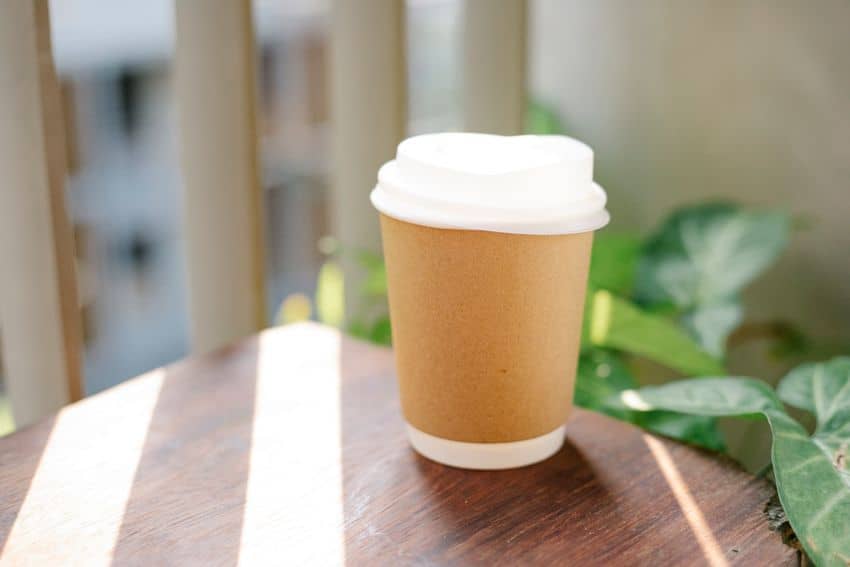
Coffee and tea are essential fuel for any modern office. Yet however helpful they are for team productivity, they are among flooring's greatest enemies. A spilled espresso or cup of black tea can quickly spoil an interior, suggest poor hygiene and even permanently damage expensive commercial carpet.
In professional cleaning, coffee and tea stains are classified as water-based spills. There is one fundamental rule: speed is critical. The longer liquid stays in the fabric, the more likely the stain is to become permanent.
In this article, we explore established best practices for removing stains from office carpets, based on leading international standards such as those of the Carpet and Rug Institute (CRI), WoolSafe and workplace health and safety regulations. Although the focus is on corporate environments, these expert methods are equally applicable to high-quality home cleaning.
Golden rules for treating carpet stains
Before moving to the specific steps, it is important to clarify some basic principles that protect flooring from irreversible damage:
- Blot, do not rub: The biggest mistake is aggressively rubbing a stain. This not only spreads the dirt but also damages the fibre structure by fluffing it up and forces liquid deep into the carpet backing. Always press a clean, white, absorbent cloth directly onto the spill.
- Work from the outside towards the centre: To avoid enlarging the stain, always clean from the outer edge towards the middle.
- Avoid overwetting: Use minimal amounts of water or cleaning product. Pouring liquids directly onto carpet can carry dirt into the underlay.
- Know your flooring: Before using any chemicals, establish what material the carpet is made from. Wool and other delicate fibres require a much more restricted choice of products than synthetic commercial carpets.
A professional procedure in 10 steps
To maintain impeccable hygiene and extend carpet life, follow this professional spill-response procedure:
1. Make the area safe
Act immediately. Restrict access and move cables and equipment. If treatment will leave the carpet damp, use warning signs to prevent slips and accidents.
2. Identify the spill and flooring
Note when the spill occurred and whether the coffee or tea contains milk, cream or sugar, which complicate cleaning. Check the carpet manufacturer's instructions. Under CRI 204, this inspection is the first and most important step in commercial stain removal.
3. Remove the excess
Use clean white towels or unprinted paper to absorb liquid with firm pressure. If there are semi-solid residues, such as cappuccino foam or sugar, carefully remove them with a rounded spoon or spatula.
4. Initial treatment with water
For fresh spills, start by applying a little lukewarm water to a cloth or lightly misting the stain, then blot. Continue until colour from the stain stops transferring to the cloth.
5. Test the cleaning product first
If water is insufficient, you will need a cleaning product. Always test it in an inconspicuous area. Apply the product, hold a white cloth over the test area for 10 seconds and check for colour transfer, dye changes or fibre damage.
6. Apply a suitable stain remover
Use a manufacturer-approved product. CRI Seal of Approval or WoolSafe-certified products, for wool carpets, are preferable. Apply a small amount to the cloth rather than directly to the carpet, and follow the dwell time on the label.
7. Blot from the outside in
After the product has worked, press down with clean cloths and lift. Several light treatments are much safer and more effective than one heavy chemical application.
8. Rinse: a critical step!
Lightly spray with clean lukewarm water and blot, or use an extraction machine. This is essential to remove cleaning product residues and sugars from the drink. Leaving them in the carpet will attract new dirt.
9. Dry as quickly as possible
Place several layers of white towels over the damp area and weigh them down with a heavy, colourfast object to draw out residual moisture. Increase ventilation. Rapid drying prevents odours and mould growth.
10. Inspect again
Check the area when completely dry. Sometimes 'wicking' occurs — dirt from the backing rises up the fibres during drying. If this happens, lightly spray with water and blot again.
How to choose the right cleaning solution
Using the wrong chemical can permanently set the stain and invalidate the flooring warranty. Here is the recommended product hierarchy:
A manufacturer-specified product: Always follow the official instructions.
Products with the CRI Seal of Approval: For commercial synthetic carpets. These products are independently tested for effectiveness, pH balance and the absence of optical brighteners.
WoolSafe-approved products: Essential for wool and delicate fibres.
A minimal cleaning solution: a homemade alternative If no specialist product is available, the CRI standard allows the following formula:
- ¼ teaspoon of washing-up liquid without colour or bleaching agents
- 1 cup, approximately 240 ml, of lukewarm water
- Warning: Never make a stronger concentration. Always rinse thoroughly afterwards.
Never use washing powder or dishwasher detergent! They contain optical brighteners and harsh ingredients that will alter the carpet's colour.
Cleaning frequency: when and how often?
Maintaining high hygiene standards goes beyond occasional spills. Industry standards such as ISO/TS 21868 and CRI 204 recommend the following office schedule:
- Removing new stains: Immediately, as soon as they are noticed.
- Inspecting for stains: Daily, focusing particularly around coffee machines, reception areas and meeting rooms.
- Vacuuming private offices and rooms: 2–3 times a week, depending on footfall.
- Vacuuming high-traffic areas, such as corridors and entrances: Daily, or twice daily in severe weather.
- Interim maintenance cleaning: 1–2 times a year.
- Professional deep cleaning: 1–2 times a year, depending on use and accumulated dirt. This process removes deeply embedded dust and allergens.
Health and safety during cleaning
Cleaning chemicals pose risks to both cleaning staff and office occupants.
- Asthma risk: According to a large meta-analysis of 21 studies, people who clean professionally have a 50% greater risk of developing asthma. Furthermore, data show that around 80% of those affected by workplace cleaning products are bystanders, such as office employees, rather than the cleaners themselves. Ventilation and gentle cleaning products are therefore crucial.
- Chemical compatibility: Never mix different cleaning products. Mixing bleach and ammonia, for example, releases toxic gases that can cause severe lung damage.
- Flooring safety: According to Environmental Protection Agency (EPA) guidance, wet carpets should dry completely within 24 to 48 hours to prevent mould growth. Drying after localised spot cleaning should be many times faster.
The most common mistakes that ruin carpet
Even with the best intentions, people often make mistakes that complicate the problem:
- Leaving it until later: Waiting until scheduled weekly or deep cleaning ensures the stain becomes permanently absorbed into the fibres' dyes.
- Using an overly strong product: Increasing the soap concentration does not clean better; it leaves a sticky residue that is difficult to rinse away.
- Treating wool with ordinary washing-up liquid: Leaves sticky marks and leads to very rapid resoiling.
- Skipping rinsing: Residual product and coffee sugar act like a magnet for dust from shoes. A dark grey or brown mark will appear in the same place within a week.
- Walking on damp carpet: Increases the risk of slipping and immediately brings new dirt into the wet fibres.
Frequently asked questions (FAQ)
1. Why does a coffee stain reappear a few days after I clean it? There are two main reasons. The first is 'wicking': if the carpet has been overwetted, liquid from the backing rises back towards the fibre tips as it dries. The second is inadequate rinsing. Residual soap and sugar attract dirt from shoes and create a new dark stain in the same place.
2. Can I use bleach or strong multipurpose cleaners on stubborn stains? Absolutely not. Bleach and improvised peroxide or ammonia mixtures can permanently discolour carpet, destroy its structure and release harmful fumes into the office. Their use also usually invalidates the manufacturer's warranty.
3. What should I do if the coffee or tea stain has already dried? Do not soak the old stain heavily. Instead, lightly spray or dampen it to rehydrate dried residues, then begin carefully blotting with a white cloth. Follow with an approved stain remover.
4. When should I contact a professional cleaning company? If the stain is old, very large, repeatedly reappears or the carpet contains sensitive fibres such as wool, it is best to contact specialists. They have professional extraction machines and knowledge of safe oxidation that office staff cannot improvise.
Conclusion
Drink spills in offices are inevitable, but permanent carpet stains are not. The key to excellent office hygiene and protecting expensive flooring is a clear response procedure: immediate blotting, a minimal amount of an appropriately selected product, no aggressive rubbing and an essential final rinse.
Remember that proper daily maintenance, combined with periodic professional deep cleaning, not only keeps your office looking attractive but also provides a healthier environment for all employees, minimising respiratory problems and allergy risks.